
Winter hiking unveils a wonderland of frosty landscapes and serene snow-covered trails, offering a unique and exhilarating outdoor experience. However, it comes with its own set of challenges, and is vital to approach these chilly adventures with caution and preparation. To help you safely enjoy your own frosty adventures, I've collected some of my top comprehensive tips for you below, ensuring your winter hikes are not only breathtaking, but also safe. Whether you're a seasoned hiker or a novice exploring the winter wilderness for the first time, these guidelines will help you embrace the cold in the safest and most enjoyable way possible.
Starting Early & Informing Someone
1. Start Early
Winter days are shorter, so starting early is crucial to ensure you complete your hike in the daylight. Another reason to start early is because if something were to go wrong and you needed to be out longer than expected, there is more time for you to be rescued or get back to safety. This practice not only maximizes safety but also allows you to fully appreciate the beauty in winter landscapes.
2. Notify Someone You Trust
Before you embark on your winter hike, inform a family member or friend you trust about your plans, including your route and expected return time. Another thing I like to add is my "panic time", or a time to contact authorities such as the forest service if I'm not heard from. This is a vital safety measure in case of any unforeseen event.
Take it a step further and fill out a Hiking Itinerary with this information to leave with your loved one and/or place safely in your car dashboard or seat (personal info side down) to notify Search and Rescue of your plans and any vital information such as health conditions, etc. You can find my free downloadable hiking itinerary here.
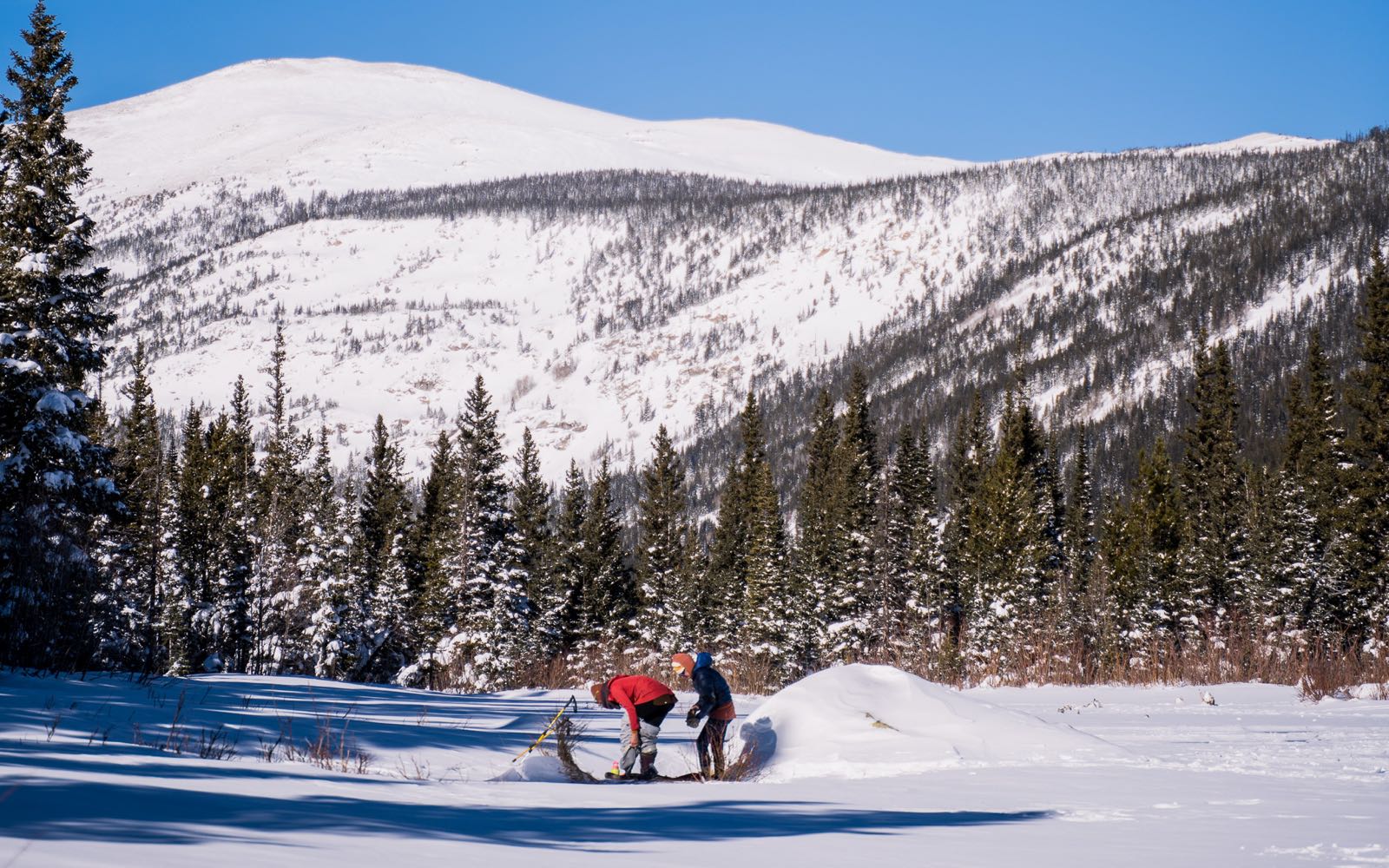
Dress Smart
3. Layer Up
Dress in layers, starting with a moisture-wicking base layer like merino wool to keep your skin dry. Add insulating layers such as down or fleece, and top it off with a waterproof or water-resistant outer layer. Remember, cotton is a no-go in winter hiking attire as it retains moisture and holds no insulative value.
4. Headwear and Sun Protection
Pack a beanie for warmth and a baseball cap to shield your face from the sun. Despite the cold, the sun's rays can be intense, especially with the reflection off of the snow, making sunscreen and sunglasses essential items year round. Opt for polarized lenses for extra protection.
5. Footwear
Choose waterproof, insulated boots and avoid cotton socks. Again, cotton holds no insulative value so it will not keep you warm, especially if it gets wet in cold weather. Even your sweat could cause it to ice up in cold enough temperatures or conditions. Wool socks are preferred as they insulate even when wet. Gaiters can also be useful to keep snow and mud out of your boots in the fall through spring seasons.
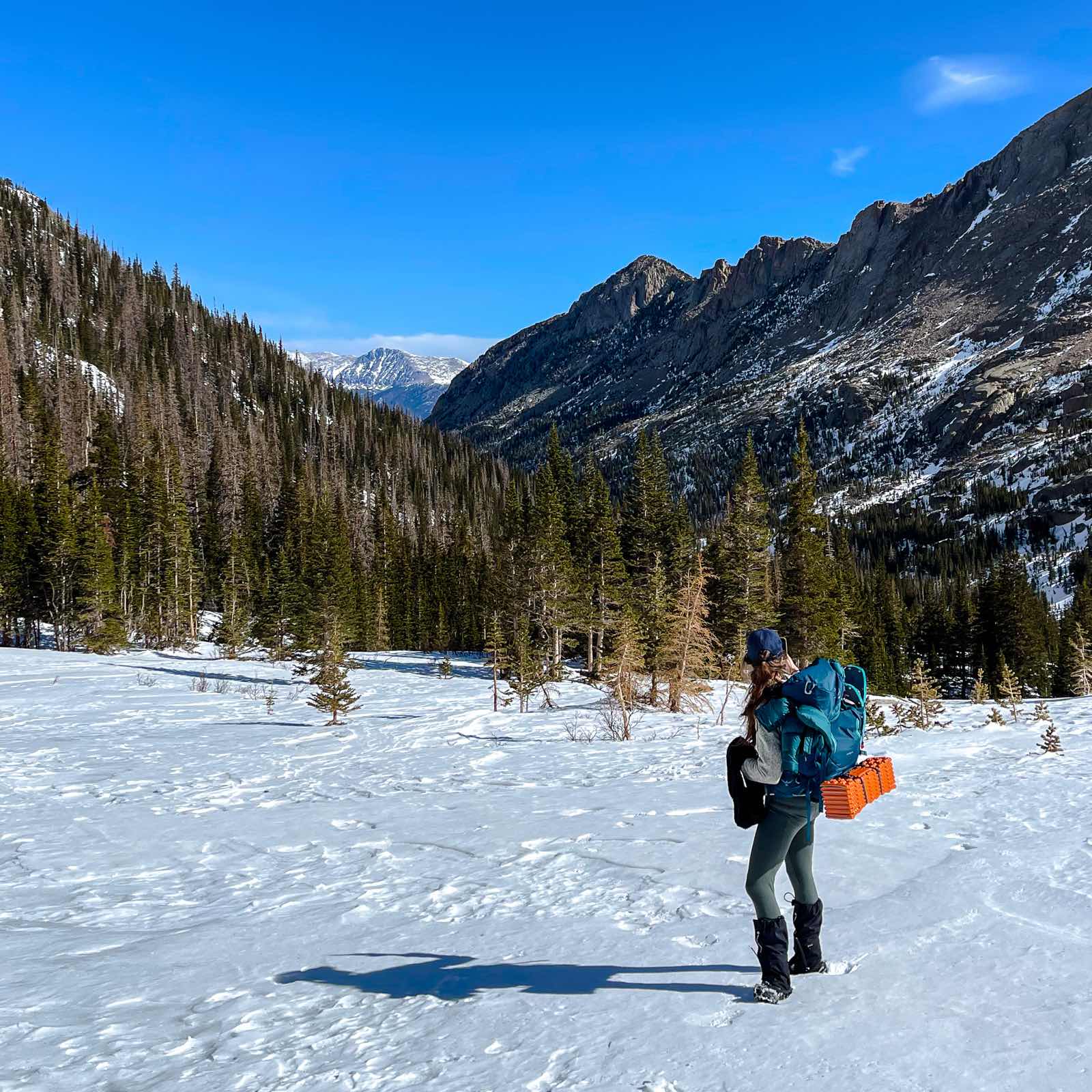
Food, Hydration, and Gear
6. Food & Hydration
Keep your metabolism up with regular food and water intake. It's better to take smaller, more frequent sips to stay hydrated as opposed to drinking a lot all at once. To prevent your snacks from freezing in the cold months, keep them close to your body or use a hand-warmer near them to keep them on the warmer side. Use water bottles instead of hydration reservoirs in very cold temperatures, as tubes can freeze, leaving you out of water. You can even put warm water in a thermos to simultaneously hydrate and warm your core.
7. Gear Essentials
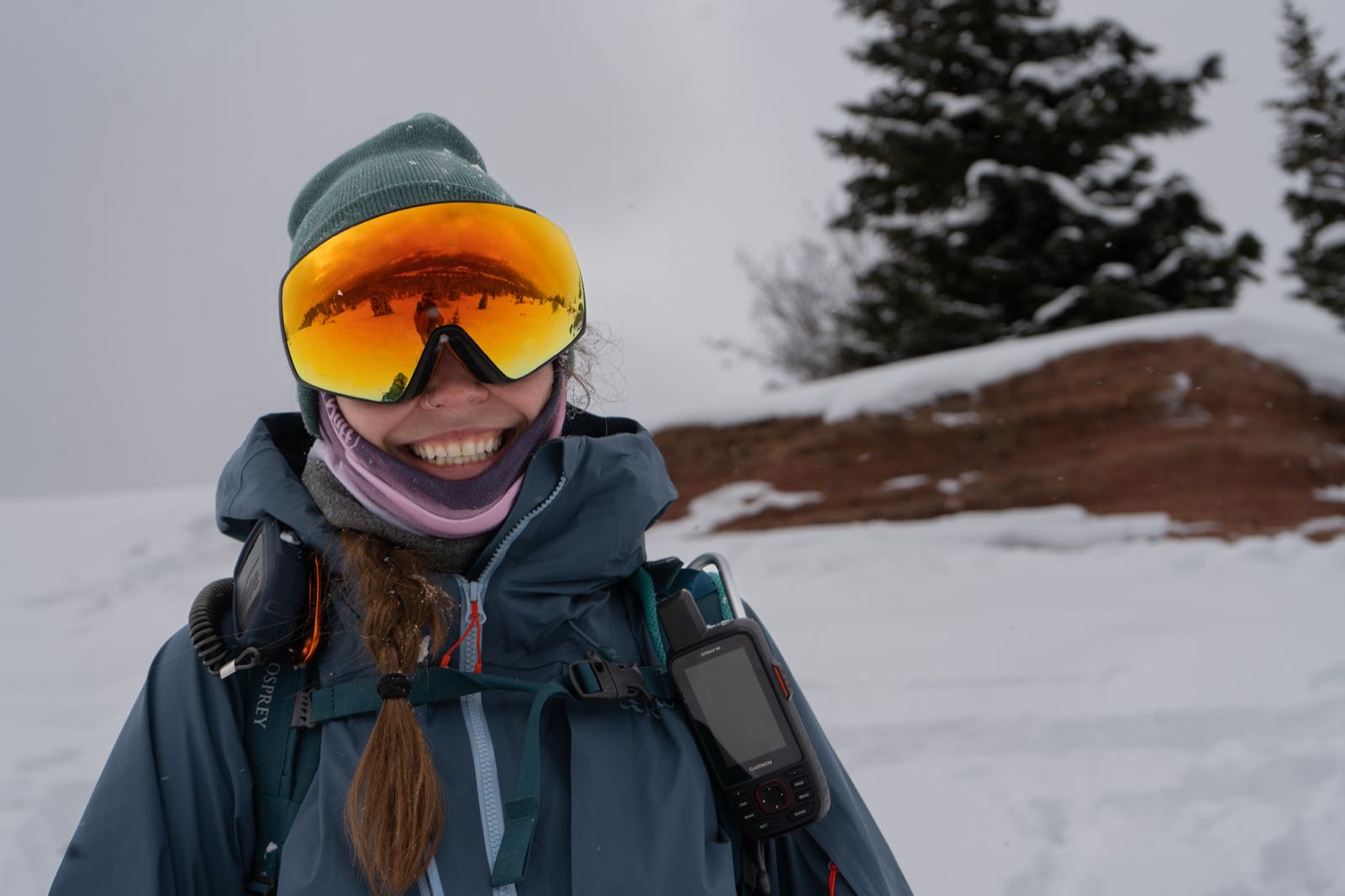
Carry the Ten Essentials, which are critical for emergency situations, especially in winter. This includes navigation tools like a map and compass as GPS signals can be unreliable in remote areas. If you plan on winter hiking regularly, a satellite communication device is an extremely valuable investment as it can save your life, or your loved one's, in case of an emergency. If you do look into a sat-com device, I highly recommend investing in one that has 2-way communication, like the one linked above.
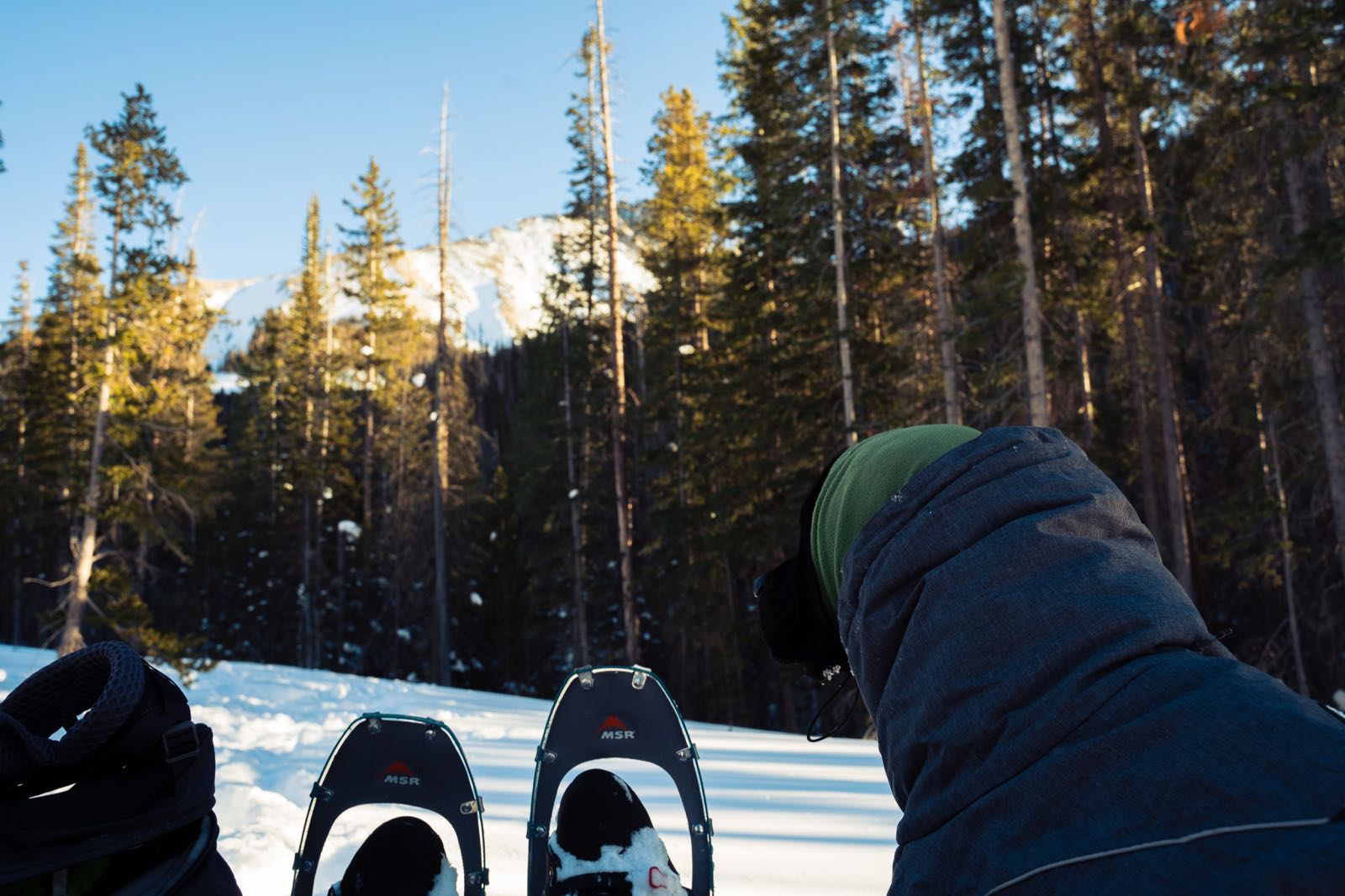
Know Before You Go: Research the Trail and Weather
8. Trail Awareness
Familiarize yourself with the trail before you even leave for the trailhead. Don't wait until you arrive, because you may not have service where you start. Winter snow can alter the appearance of trails, making them challenging to navigate, or sometimes changing them altogether. Always carry a map and compass, and know how to use it. Pay attention to your surroundings and if things change such as visibility while you're adventuring.
9. Check the Weather... and Then Check It Again
Weather in winter can change rapidly, especially at higher elevations like in the mountains. Check the forecast and be prepared for varying conditions. Some good resources for checking the weather are Windy.com, NOAA, Mountain Forecast, and Open Snow. Postpone your trip if the conditions are too harsh – remember, the mountain will always be there, and you can always come back at a better time.
Additional Tips
10. Wildlife Safety
When embarking on a winter hike, it's crucial to be mindful of, and keep a safe distance from wildlife. Animals in winter can behave unpredictably, and it's important to respect their space and natural habitat. Maintain a safe distance, and never feed them. Remember, the wilderness is their home, and we are merely visitors. Additionally, be aware of any wildlife tracks or signs and understand what they signify. If you ever feel uncertain about wildlife presence or behavior, it's wise to err on the side of caution and avoid that area. Wildlife safety is something I teach in person, too — my Wild Encounters workshop is built to help you get out among the wild feeling empowered and confident, and you can choose Get Notified there for the 2027 date announcement.
11. Avalanche & Ice Safety
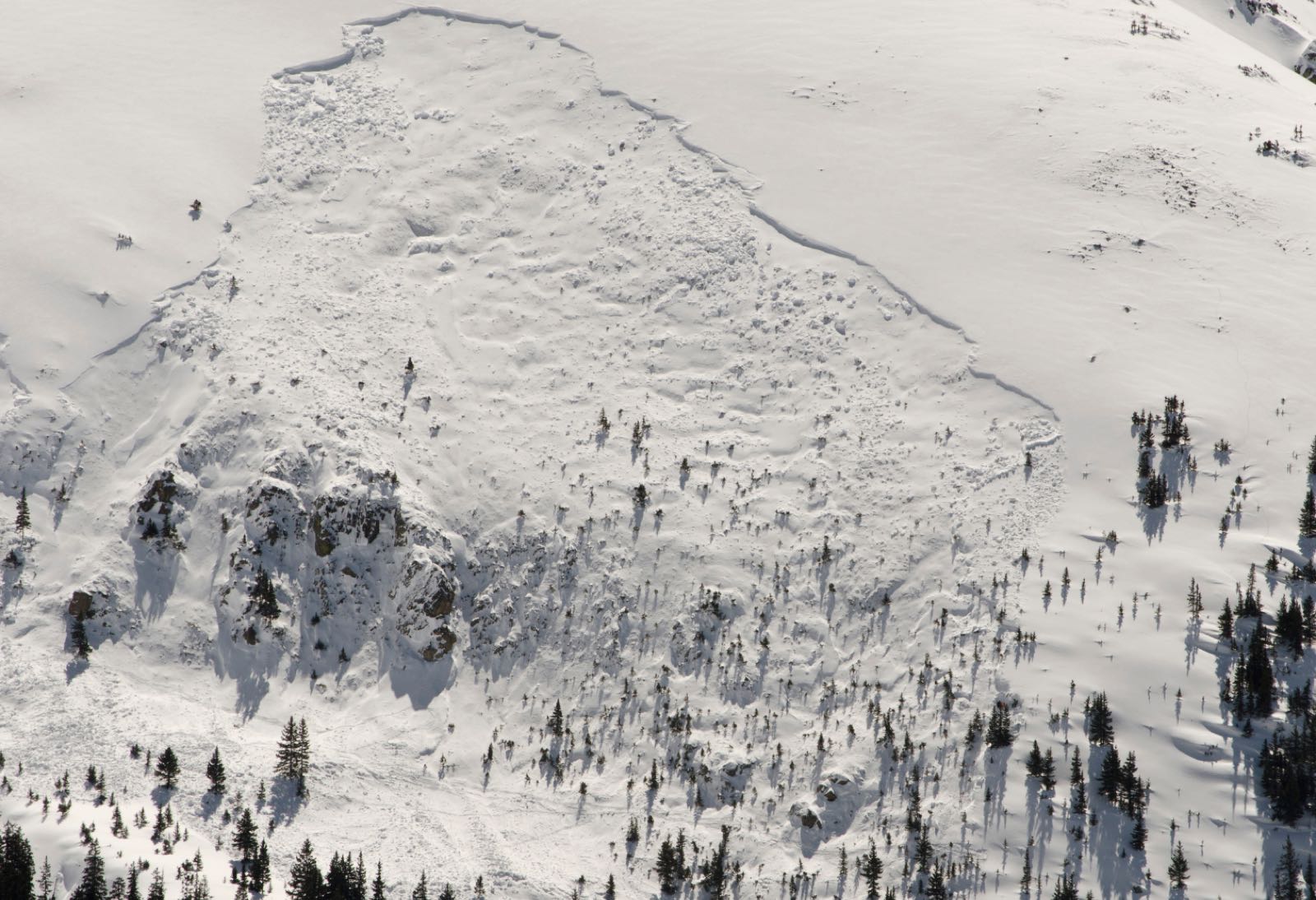
Avalanches and ice-related accidents are significant risks in winter hiking. Before heading out, educate yourself about avalanche-prone areas and learn how to recognize potential avalanche signs. It's essential to check avalanche forecasts and be equipped with the appropriate avalanche safety gear, such as a beacon, probe, and shovel. I would recommend taking an AIARE avalanche course if you plan on heading into the backcountry and in avalanche terrain often. Even snowshoers can trigger avalanches, and they can be triggered remotely from terrain below or above an avalanche's path, making it hard to assess where they could occur without having proper knowledge.
When it comes to ice, be extremely cautious around frozen bodies of water — avoid walking on ice-covered water bodies, as the ice can be thin and treacherous. Ice thickness can be deceptive, and what appears safe might not be. As a general rule, if there's ever a doubt about the stability of an avalanche slope or the safety of ice, don't go. Your safety should always be the priority, and there will always be another day for hiking.
12. Turn Back If Needed
Always be willing to turn around if conditions worsen or aren't what you expected or prepared for. It's better to be safe and plan another hike than risk your safety.
Conclusion
Winter hiking can be a magical and invigorating experience when it's done with the right preparation and mindset. By following these essential tips, you'll be well-equipped to enjoy the serene beauty of the winter wilderness safely. Remember, the key to a successful winter hike is preparation, awareness, and perhaps most important, respect for nature's power.
Happy trails!
Looking to take it a step further and feel confident and prepared on your next cold weather adventure? Let's go on a hike together and you can learn everything you need to know to feel self-reliant and capable in the outdoors, year round. Stay warm! 🏔 Contact Ground Up Adventures
*Please note that some links above are affiliate links, which means I earn a small commission on any purchase you make – at no additional cost to you. If you use any of these links, thank you for your support in advance!
See you on the trail! — Shelby
The Day-Hike Checklist
Get your free Day-Hike Checklist and open it right here. Newsletter signup is optional.