
Winter hiking and snowshoeing is one of the best ways to get outside during the colder months, but it's important to be prepared to make sure you stay safe. Keep reading for a list of what to bring on a winter hike, as well as links to some of my favorite winter gear items!
Aside from the 10 essentials, there are several items I'll add to my backpack in the winter and make sure I always have just in case, so I can make sure I'm staying safe on my winter adventures. This includes:
Layers
One of the key parts to staying warm in the winter is staying dry. To help with this, take layers off as you start generating body heat and get warm, and add layers when you stop to rest or get cold. The main goal is to avoid sweating too much, since it is hard to dry in the winter, and that can make you really cold, really fast – leading to risk of hypothermia. Opt for a:
- Merino wool or synthetic base layer (to wick moisture and help keep you dry) NO COTTON! It will not keep you dry
- Fleece mid layer (for warmth)
- Puffy coat (for extra warmth if needed) – I have two. A lighter one, and a heavier weight puffy.
- Hardshell on top (to block out wind)
- Have an extra set of dry clothing in your pack in a dry bag just in case you get wet
Microspikes
These are fantastic for providing traction on icy trails. Nothing makes me feel more fearless in the winter than my microspikes. I originally ordered a cheaper $30 pair off Amazon years ago, but the newer versions unfortunately break easily and don't last near as long. Now I recommend these Kahtoola's that are a little more expensive, but will last you a lifetime.
Gloves
For gloves, I like to have a few pairs with me. I typically have a thin pair on, a mid-weight pair just in case those get wet, and then a waterproof pair in case rough weather comes in or once I get to my destination which is typically cold, exposed and windy. I prefer having mittens over gloves since they keep my hands a bit warmer, however if you only have gloves and your hands get cold, one of my tips is to bring your hands and fingers in a fist into just the hand compartment of the glove – this will help them warm up more quickly. You can even look into getting gloves that have a spot to insert a handwarmer!
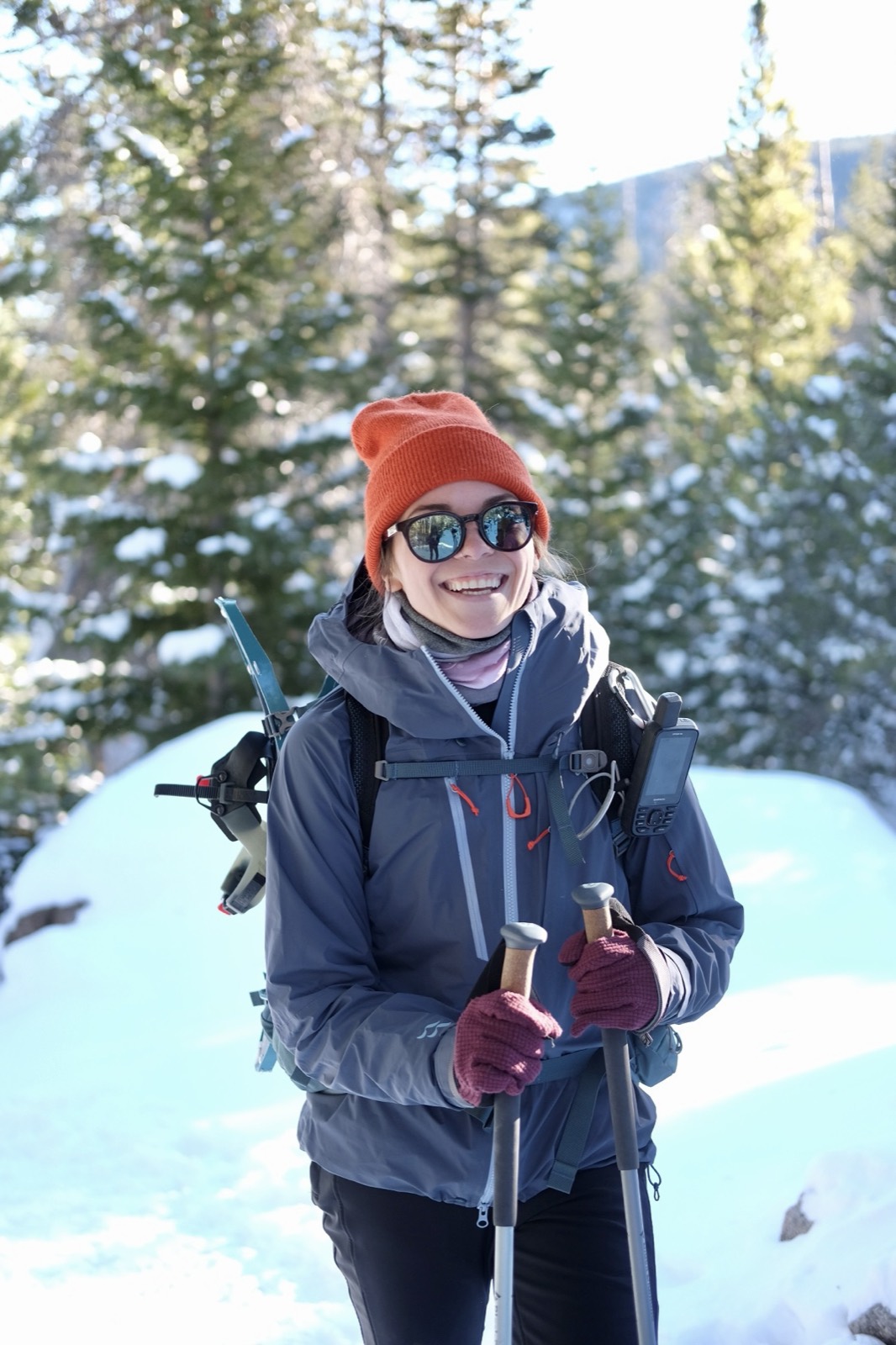
Beanie & Hat
The beanie is great for keeping your head warm, but it's likely you won't want to wear it the entire time, especially if conditions are more mild. In this case, it is great to bring a baseball hat or sun hat to keep you protected from the sun, and they can also be helpful with shielding from the wind.
Balaclava or Buff
Buffs are great at providing a layer of protection between the cold and your skin, and help cover from the wind. If it's extra windy or snowy though, these fleece hoods are fantastic and do an incredible job of keeping your head warm.
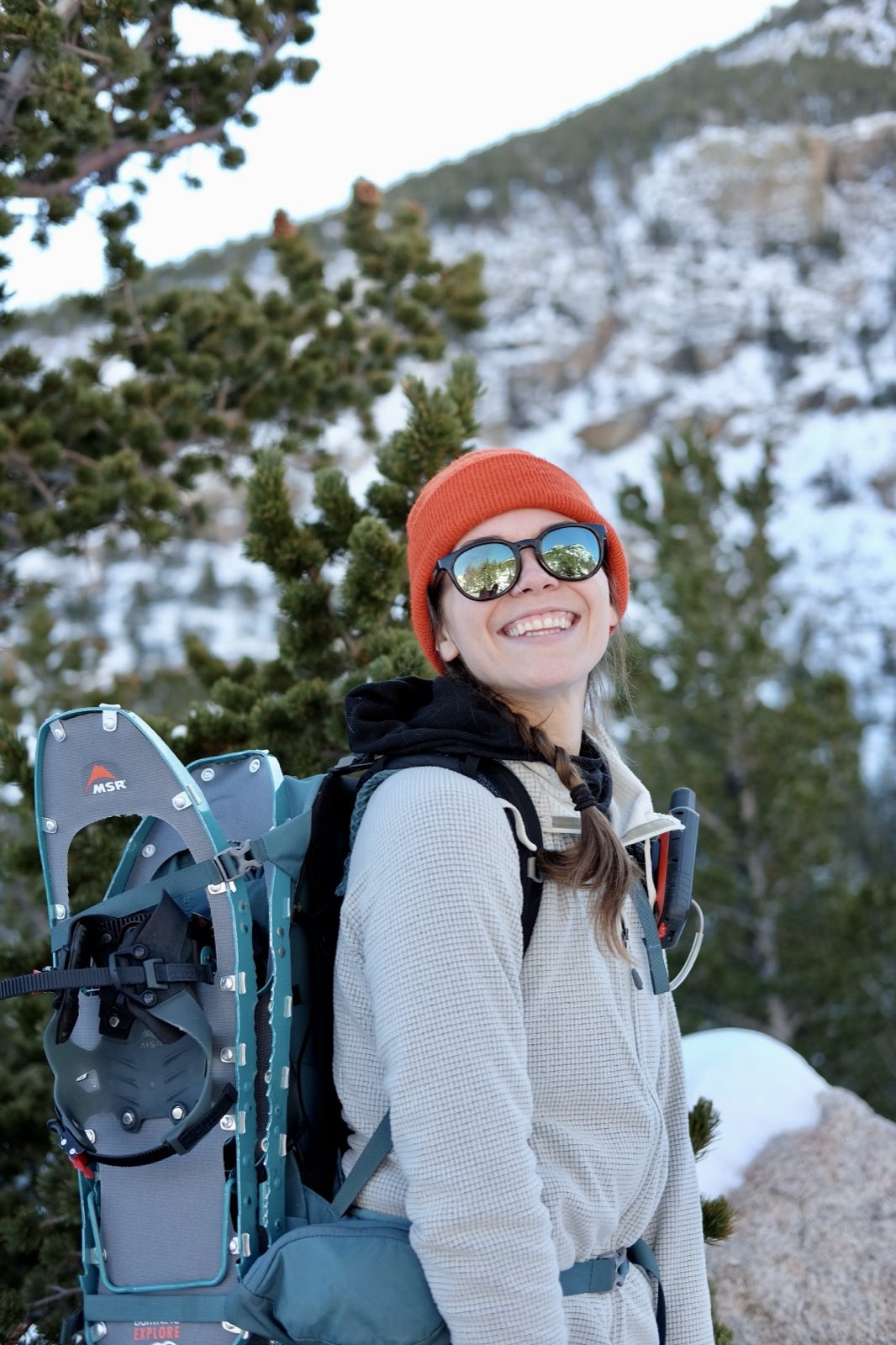
Extra Socks
Again, no cotton here! I like to bring two extra pairs of socks, one as a backup, and one to change into at the top so I have dry socks for the hike down. I also recommend putting any extra clothing in a dry bag so it stays completely dry in case you or your backpack were to get wet.
Snow Gaiters
These attach to your boots and are fantastic at keeping snow out, which means your feet stay happy. If you're planning a long winter hike, I would recommend getting ones made with GORE-Tex to keep you extra dry.
Snow Goggles
Trust me, these will save you on windy, sunny, or overcast days.
Sun Protection
You might be surprised to believe that you can still get sunburned in the winter, especially at higher altitudes! The worst sunburn I've ever had was in the month of February. Wear sunscreen on any exposed skin such as your face and hands, and bring sunglasses and a hat for extra sun protection. I really like this natural, reef-safe water & sweat resistant suncreen from Kinfield, that isn't like normal mineral-based sunscreens – it actually blends in and leaves your skin hydrated!
Waterproof Boots
You may want to look for higher boots to keep snow out of your ankles – can we agree that is the WORST?! If you have naturally colder feet, you may want to look into a pair of insulated boots. Ladies, these OBOZ insulated boots are a fan favorite!
Current shopping options: Browse current women’s insulated Oboz hiking boots. Compare fit and the model’s features.
Current shopping options: Browse current La Sportiva hiking boots. Compare the fit and features for your trip.
Check out my winter hiking gear.
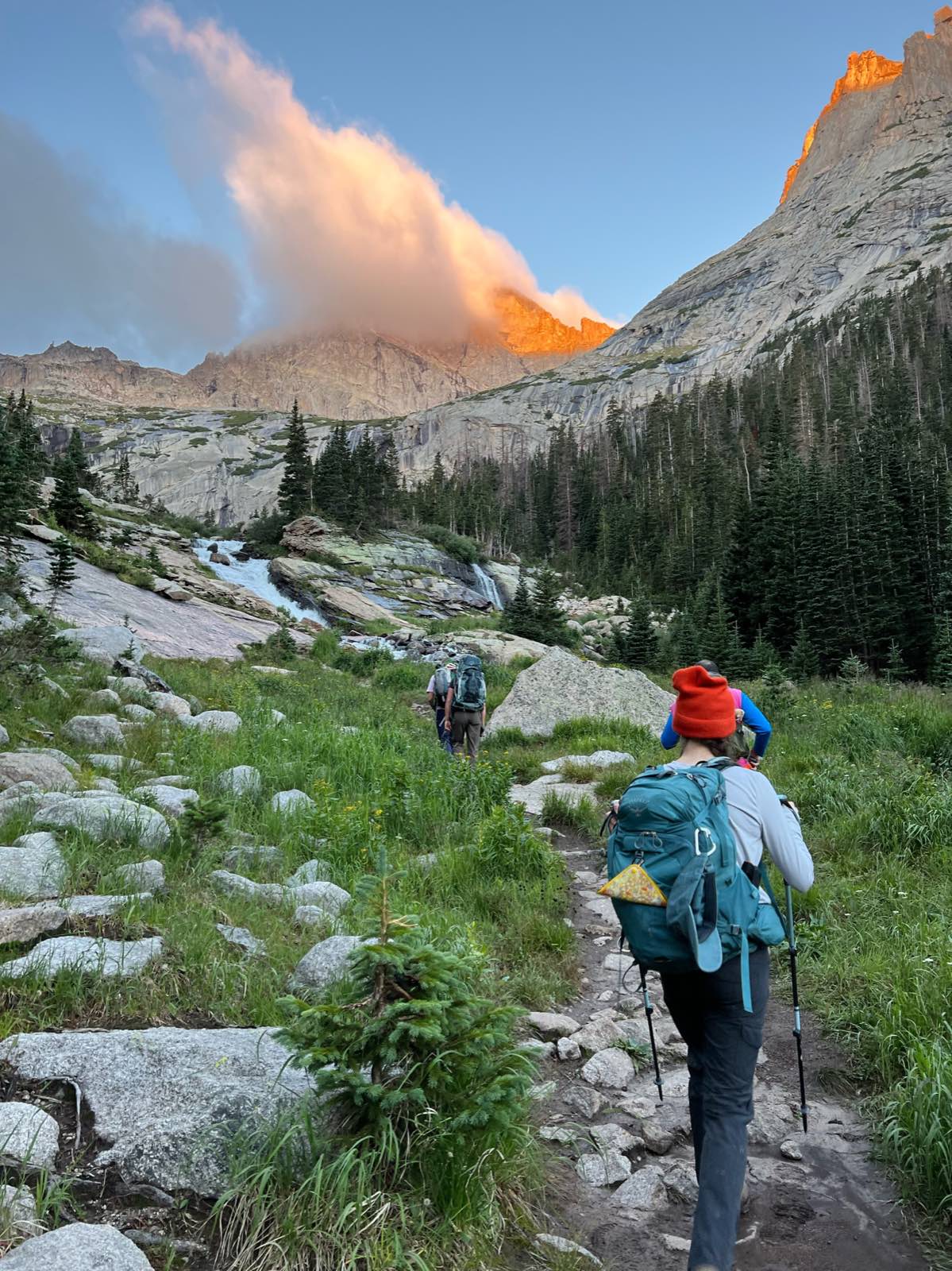
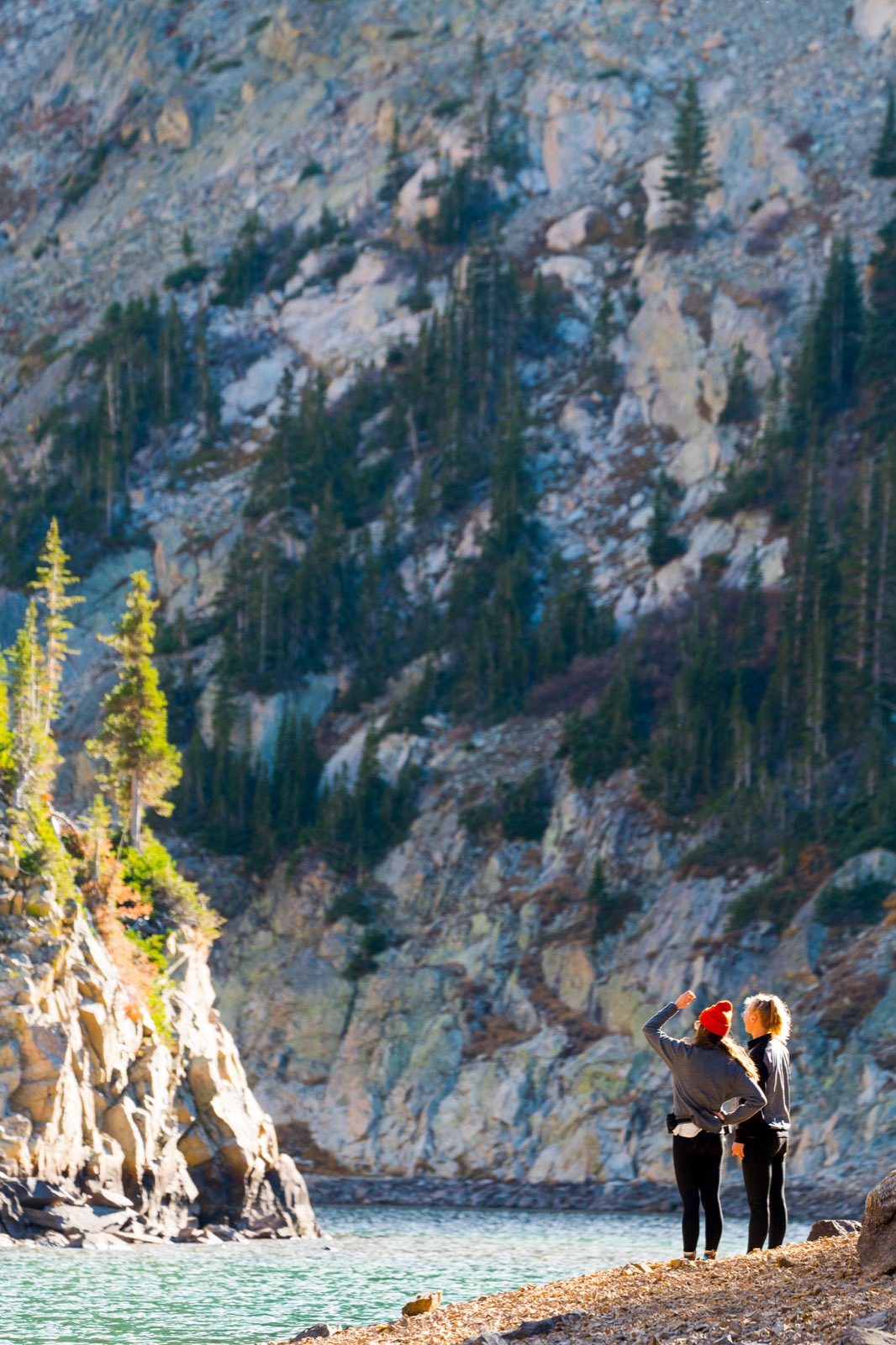
Other Items
You will want to be sure to bring these extra items on a winter hike to keep yourself and your group safe and prepared:
Extra Water
And unless you have an insulated water bladder/hose, don't bother bringing it because it will likely freeze! Nalgene water bottles are great because they are durable and only freeze in crazy cold temps in my experience, so they are the perfect option for a winter day hike. The more water you carry, the longer it takes to freeze. A thermos also works great if you'll be out for a while.
Extra Snacks
You burn a lot more energy in the winter because your body works really hard to stay warm, and hiking in the snow isn't easy! Treat yourself to some extra calories on these winter adventure days to keep you going!
First Aid Kit
You never know when things can take a turn, and rescues take more time in the winter. You should always hike with a first aid kit, but definitely don't leave without one in the colder months.
Emergency Bivvy
- Ideally you should have one of these in your backpack year round, but I'm mentioning it here because I feel it's a gear item that everyone should have and isn't mentioned enough. This is SUPER important if you're out alone, especially in cold weather, because if you get injured or immobilized in any way, you need to be able to stay warm until rescuers can come.
- Rescue may take hours or days, depending on your location, weather and available resources. Pack appropriate emergency shelter and warm layers rather than relying on a quick rescue. See the National Park Service outdoor emergency plan.
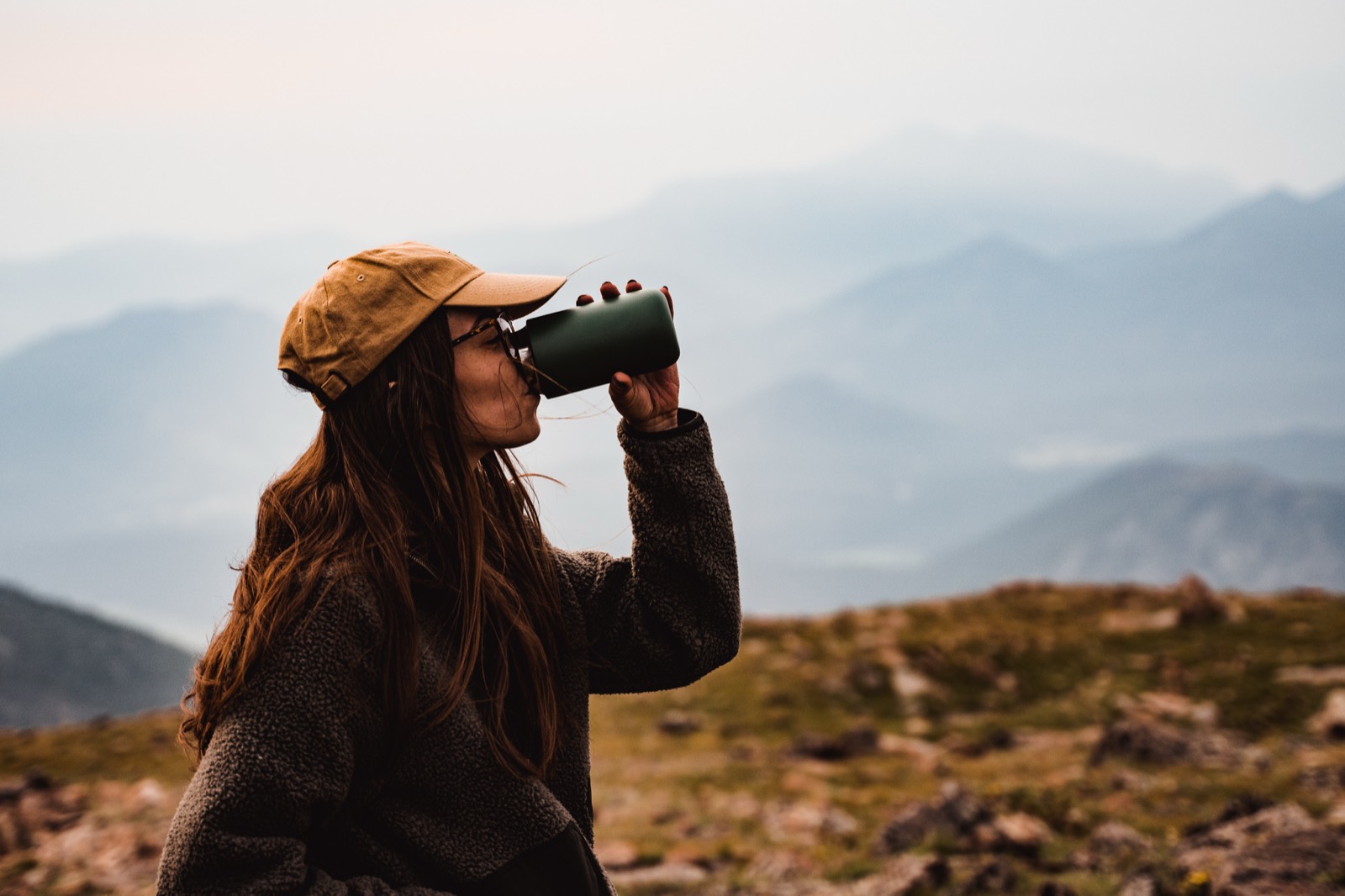
Thermos/Warm Drink
Bringing a thermos or Hydroflask with warm tea, and another for soup or chili for when you get to the top is a great way to keep you warm after all that hard work, and will give you the extra energy you need to get back down to the trailhead.
Insulated Pouch for Batteries
Batteries can die much more quickly in the cold weather of winter. An insulated pouch with a hand warmer inside can help keep your phone, portable battery, and camera battery warm. In case of emergencies, this can be vital. (Pro Tip: bring extra hand warmers for yourself!)
Lightweight Seat Pad
If you plan on sitting in the snow at the top of your winter hike, I highly recommend bringing an insulated seat pad with you, because sitting in the cold snow as you try to rest is not the most comfortable or peaceful as it may sound.
Trekking Poles
If you need microspikes on your winter hike, trekking poles will complement them nicely. Trekking poles help provide additional stability and balance, which can be extremely helpful in slippery or icy conditions such as on winter hiking trails.
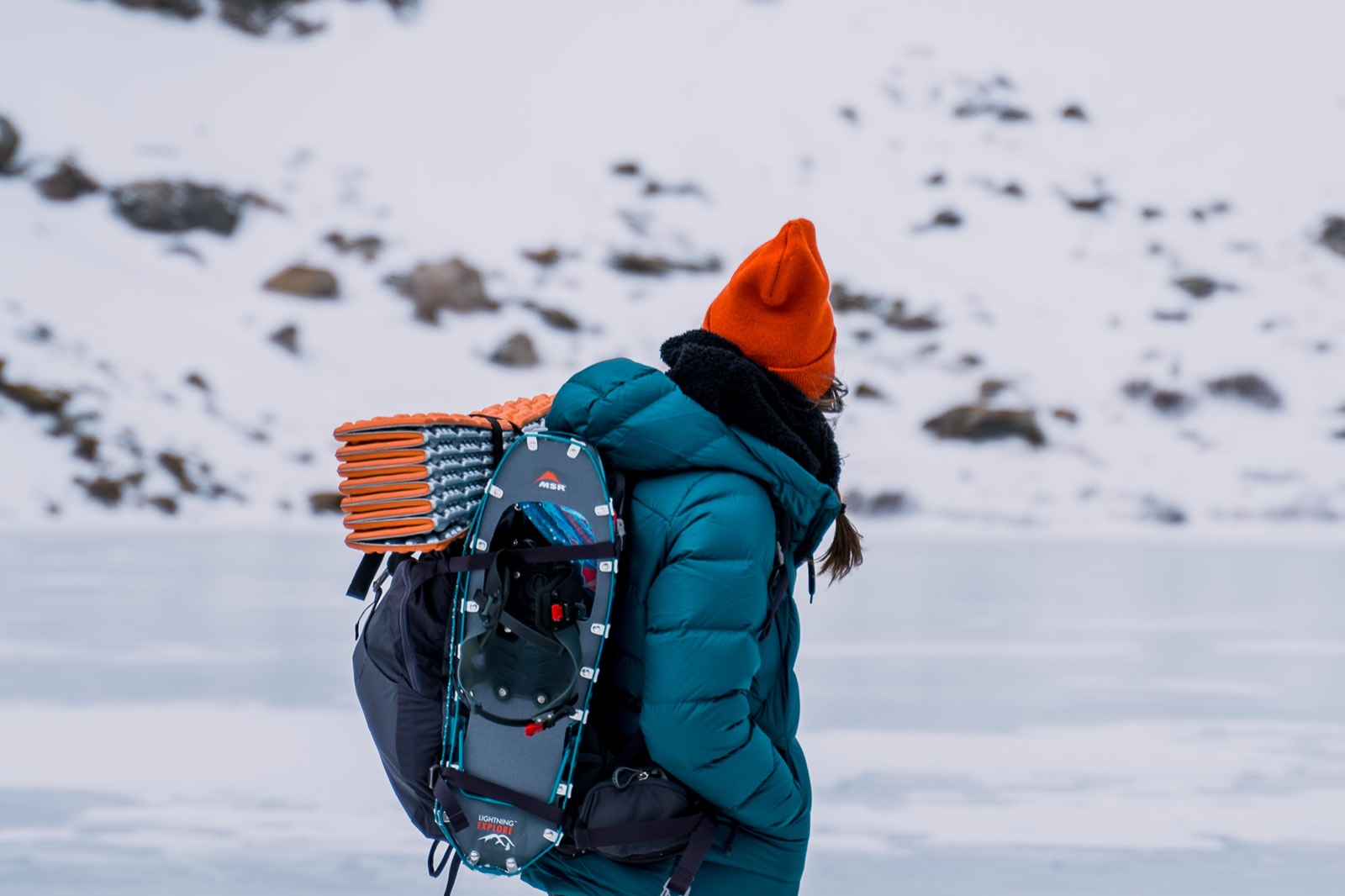
I know that looking for the right gear can be a daunting process, not to mention takes a lot of time and research! I've stepped in to help by providing you with a list of some of my favorite winter hiking gear items, but please reach out to me if you have any questions.
Wishing you safe and happy trails! 🙂
*Please note that some links above are affiliate links, which means I earn a small commission on any purchase you make – at no additional cost to you. Thank you for your support!
See you on the trail! — Shelby
The Day-Hike Checklist
Get your free Day-Hike Checklist and open it right here. Newsletter signup is optional.