
If we’re comparing outdoor adventures, a day hike offers the perfect blend of nature immersion and physical challenge. Yet, one common misstep can turn this peaceful escape into an inconvenient ordeal: overpacking. Which believe it or not, can be a safety concern. The heavier your pack is, the more likely you are to encounter an injury on the trail. As your trail big sis, I’m here to share essential tips and tricks on how to pack light for a day hike so you have smarter, lighter travels, ensuring your journey is as enjoyable as the destination.
Packing light does more than lighten your load and save space; it enhances your hiking experience. Every extra pound in your pack is an additional burden on your shoulders and back, making your hike less enjoyable and more fatiguing. The goal is to strike a perfect balance between preparedness, minimalism, and depending on the hiker, comfort.
1. Start with the Right Backpack
Choosing the right backpack is your first step towards a lighter load. Opt for a small to medium-sized backpack, and depending on your preference you can even find a pack with multiple compartments for easy organization, or use dry bags to stay organized. A pack with a capacity of 20 to 30 liters is usually sufficient for day hikes. Look for features like adjustable straps, a hip belt, and a padded back for comfort, without going overboard on additional bells and whistles that add unnecessary weight.
Daypack shopping options, with actual capacities shown: Osprey Tempest 20 — women’s (discontinued; EF sizes: 18/20 L), Osprey Tempest 33 — women’s, 33 L, Gregory Zulu 24 LT — men’s, 24 L.
2. Pack Smart: Essentials Only
Pack smart by bringing only what you need. Begin by laying out everything you think you’ll need, then question each item. Ask yourself, “Will I definitely use this?” and “What will happen if I leave this behind?”. If the answer is anything but a resounding yes that will not impact your safety, leave it behind. Or, if you can’t decide, bring it along for a trip or two, and then go through and do an inventory to determine if it’s something you really need, or if it’s just extra weight.
Wondering what the essentials are? Make sure to check these items off:
- Water: the heaviest but most vital. Carry a reusable water bottle and consider a lightweight water filter or purification tablets if you’ll have access to natural water sources.
- Food: opt for high-energy, lightweight snacks like nuts, trail mix, energy bars, or dried fruit. Think calorie-dense, but not space-consuming.
- Clothing: weather-appropriate layers that can be easily added or taken off. Always pack a light rain jacket, regardless of the forecast.
- Navigation: a map and compass and/or a fully charged GPS/smartphone with a GPS app. Remember, technology can fail, so having a map and compass as a backup could very well come in handy.
- First Aid Kit: a basic kit with essentials like bandages, antiseptic wipes, and blister plasters. Tailor it to your specific needs including your trip length, location, and group size, without overpacking.
- Light: a small, lightweight headlamp or flashlight with extra batteries.
- Sun Protection: sunglasses, sunscreen, and a hat. Even on cloudy days, UV exposure is a risk. Go a step further and wear clothing with UV protection! Sun Shirts for Women · Sun Shirts for Men
3. Consider Multi-Use Items
To further reduce your load, select items that serve multiple purposes. A lightweight bandana can protect you from the sun, serve as a water filter, towel or tissue, or be used for first aid. Or, a single pot or mug can be used for both cooking and eating, eliminating the need for multiple dishes. A roll of leukotape will last you forever and is great for first aid and gear repairs in the field. A Swiss Army Knife is a great multitool that serves as a knife, scissors, tweezers, toothpick, and more (bottle opener, file, screwdriver, can opener, etc.) depending on the model you get.
4. Prioritize Lightweight and Compact Gear
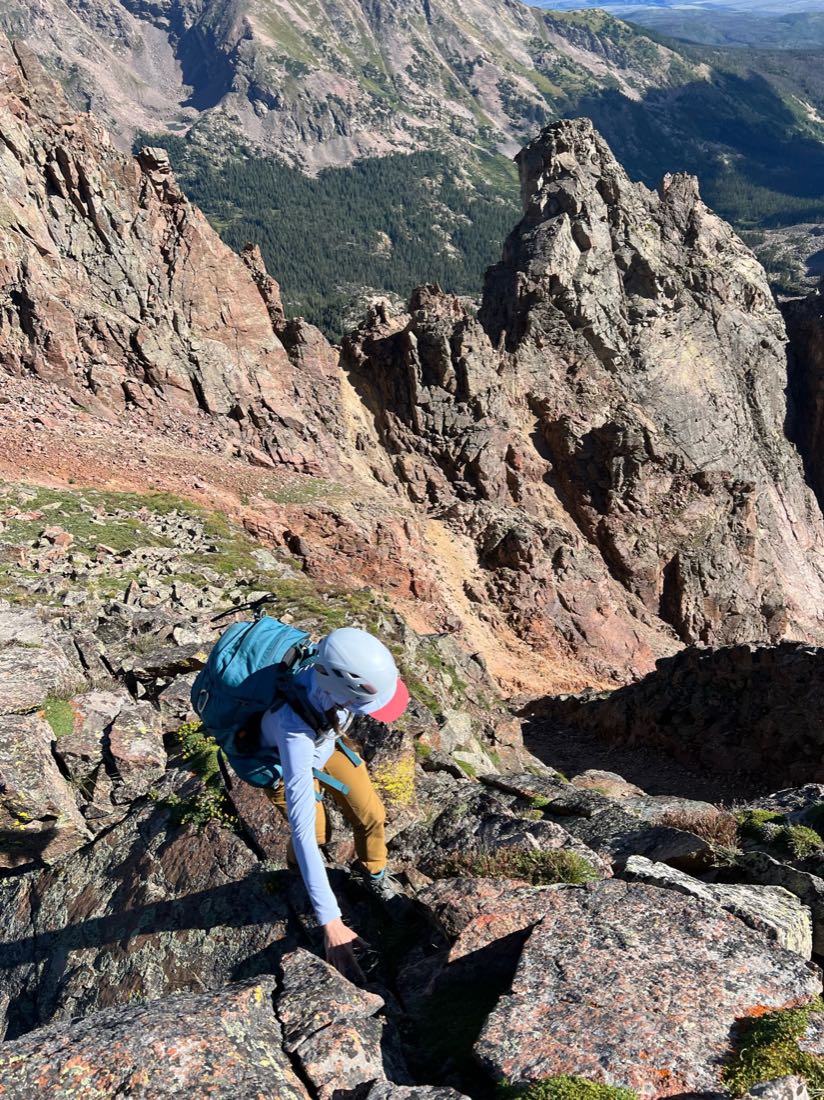
I’m sure you’ve heard all the rage about “ultralight gear” at this point, but the hype is there for a reason – advances in technology mean you don’t have to sacrifice comfort for weight. Invest in lightweight and compact gear designed specifically for hiking, combining efficiency with minimal bulk. Finding lighter-weight versions of the gear you already bring can go a long way with pack weight. And of course, consider the weight of other items like water and food.
5. Adjust According to Season and Trip Location
Adapt your backpack contents based on the season and your hiking destination. Summer hikes may require extra water and sun protection, while shoulder seasons might call for additional layers for warmth and traction devices. Research the area you’ll be hiking in to tailor your pack to the specific challenges and resources available (for example, how many water sources are accessible along your route).
6. Get Out to Practice and Refine Your Pack!
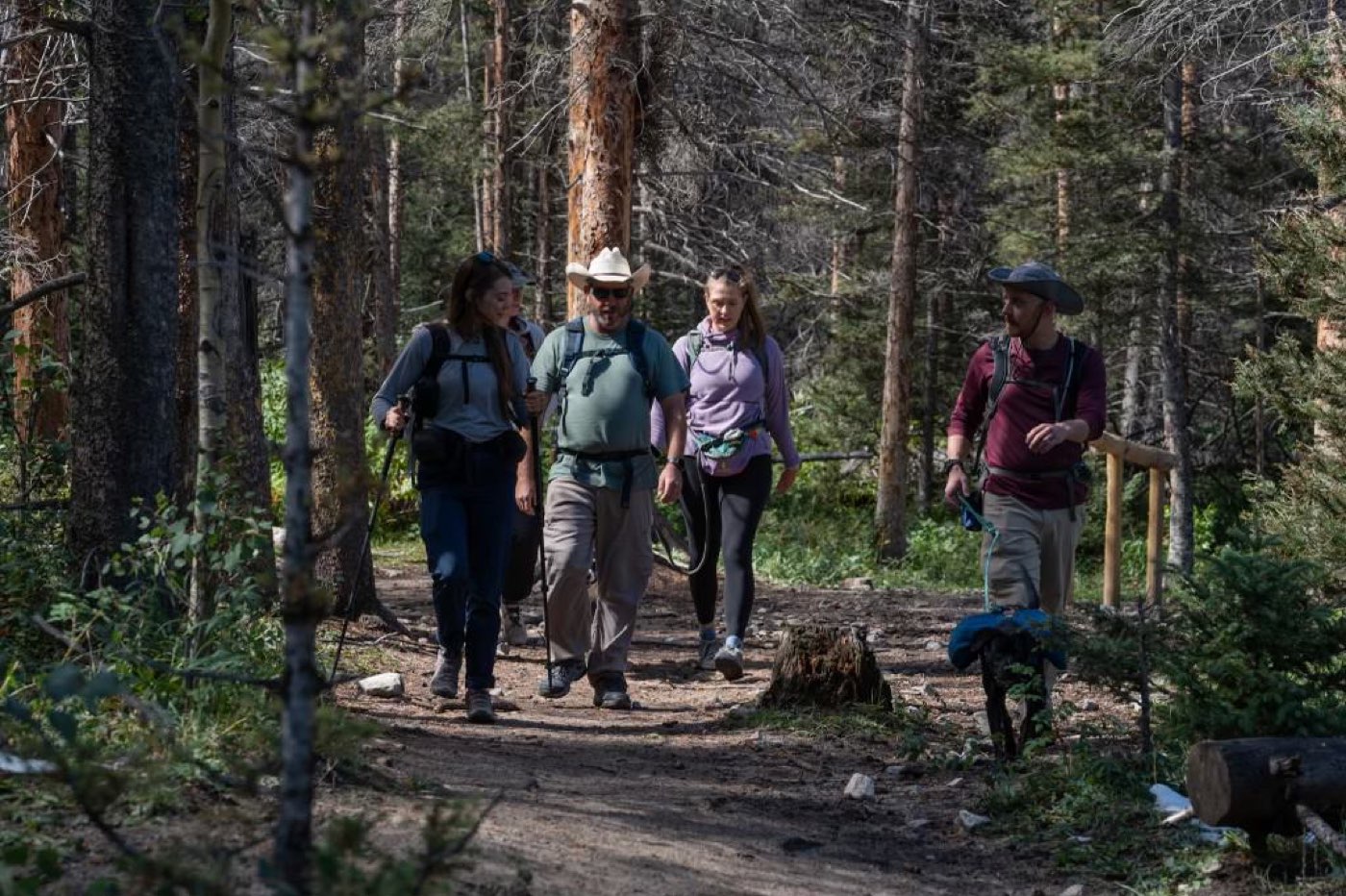
Packing light is a skill honed over time and miles. This was briefly mentioned above, but after each hike, review what you used and what stayed untouched. This reflection will help you refine your packing list, making each hike more efficient than the last.
Packing light for a day hike is an art with the goal of finding the perfect balance between bringing just enough, and enjoying the freedom of traveling unrestricted. Opting for essential gear, prioritizing the right equipment for your adventures, and adopting a minimalist approach will level up your hiking experience, allowing you to fully immerse yourself in the adventure that lies ahead.
Getting outdoors shouldn’t make you feel weighed down, but how you prepare and what you carry can truly shape your experience. Here’s to lighter packs and epic tracks! Happy hiking 🙂
Looking to take it a step further and feel confident and prepared on your next outdoor adventure? Let’s go on a hike together and you can learn everything you need to know to feel self-reliant and capable in the outdoors, year round. Contact Ground Up Adventures.
* Please note that some links above are affiliate links, which means I earn a small commission on any purchase you make – at no additional cost to you. If you use any of these links, thank you for your support in advance!
See you on the trail! — Shelby
The Day-Hike Checklist
Get your free Day-Hike Checklist and open it right here. Newsletter signup is optional.