
There are few better feelings than climbing to the top of a mountain with your own two feet. Whether you're an experienced hiker or a beginner, climbing a mountain can be a challenging and rewarding experience. Reaching the top of a mountain can also be exhilarating, but it's important to be well-prepared before you embark on your journey.
Here are some tips to help you summit a mountain safely and successfully:
Tips for Climbing a Mountain:
Choose Your Mountain Wisely
The first step in getting to the top of a mountain is choosing the right mountain for your skill level. If you're a beginner, start with a smaller mountain with a well-defined trail, and perhaps one that is well trafficked, too. If you're an experienced hiker, challenge yourself with a bigger or more technical mountain, such as a 14er, that requires more advanced skills. Do some research and find a mountain that suits your fitness level and hiking experience.
Do Your Research & Plan Your Route
Once you've chosen your mountain, it's important to plan your route. Study the trail map, and read recent trip reports. Have an idea of if there are any sections requiring off-trail travel, what the elevation gain will be, and any potential hazards you might encounter. Make sure you know the distance, the estimated time it will take to reach the summit, and then the time it takes to descend. It's essential to be familiar with your route to avoid getting lost or running out of supplies. It is also vital to check the weather forecast, which you should do several times before your adventure.
Gear Up
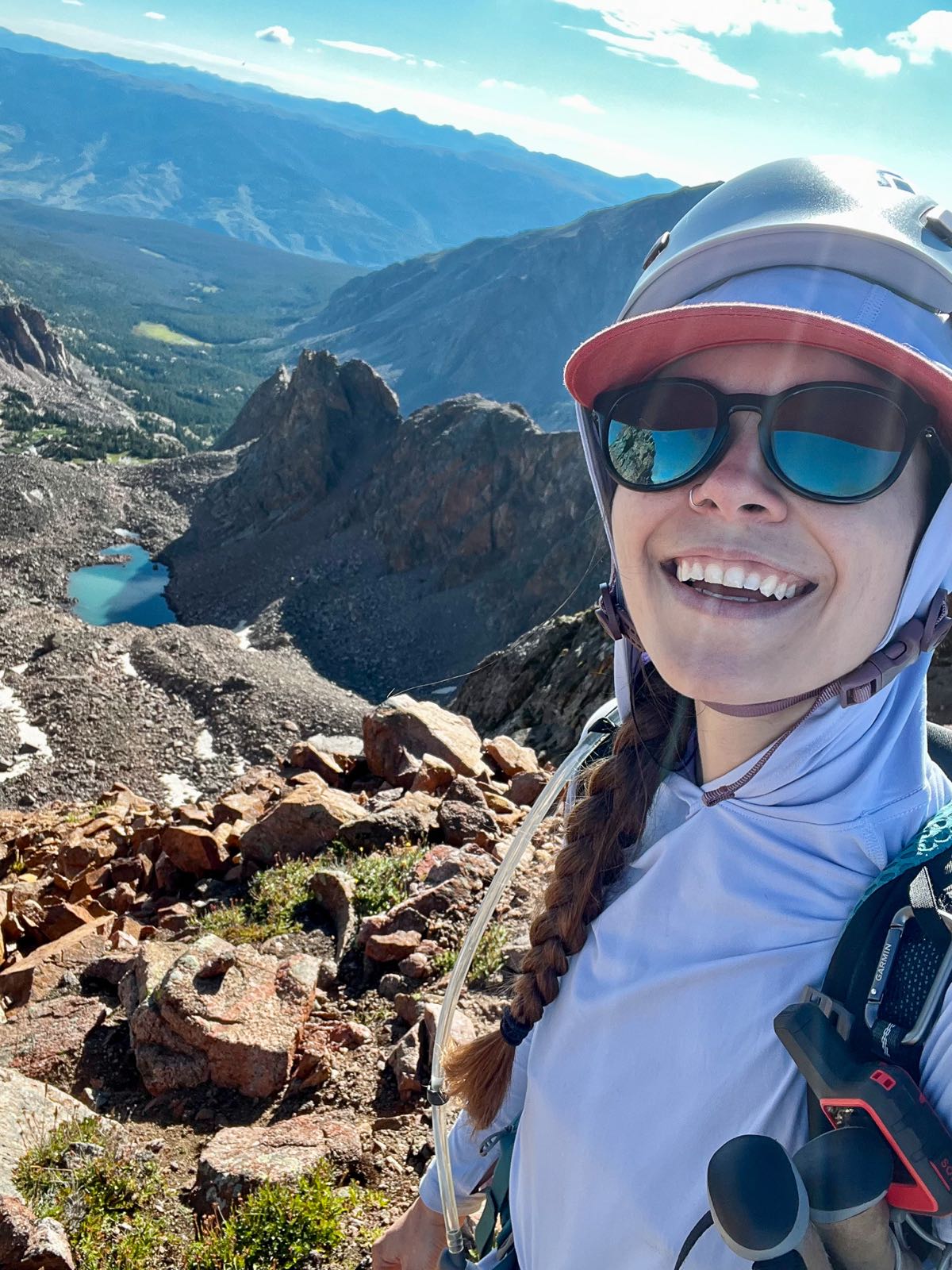
Proper gear is essential for a successful climb. Wear comfortable, sturdy hiking shoes or boots that are appropriate for the terrain you're traveling in. Dress in layers and bring extra clothing for unexpected weather changes. Bring your ten essentials for any summit hike, including plenty of water, snacks, and a map or GPS device to help you stay on track. Don't forget essential safety equipment such as a first aid kit, headlamp, whistle, and emergency bivy. Check out my hiking gear here.
Hydrate and Fuel Your Body
To avoid dehydration and fatigue during your climb, it's important to hydrate and fuel your body properly. Drink plenty of water before, during, and after your climb, and don't forget electrolytes (like Liquid IV) so you have a proper balance of water and salts. Bring snacks and energy bars to keep your energy levels up, carbs specifically are extremely helpful and provide your muscles and brain energy required to climb this mountain! And don't forget to eat a nutritious meal before you begin your climb. I really like to have a big pasta night the evening before a big climb.
Pace Yourself
It's no doubt that climbing a mountain can be a strenuous activity, regardless of how experienced you are. This means it's important to pace yourself to avoid exhaustion or injury – take frequent breaks to enjoy the views, catch your breath, rehydrate, and rest your muscles. Don't be afraid to slow down or stop if you feel uncomfortable or unwell. Especially when you're hiking to the top of a mountain, be aware of signs of altitude sickness, including headache, dizziness, loss of appetite, fatigue, and shortness of breath. If you get these symptoms, turn around, the mountain will always be there. It's better to take your time and reach the summit safely than to push yourself too hard and risk injury or worse.
Stay Focused
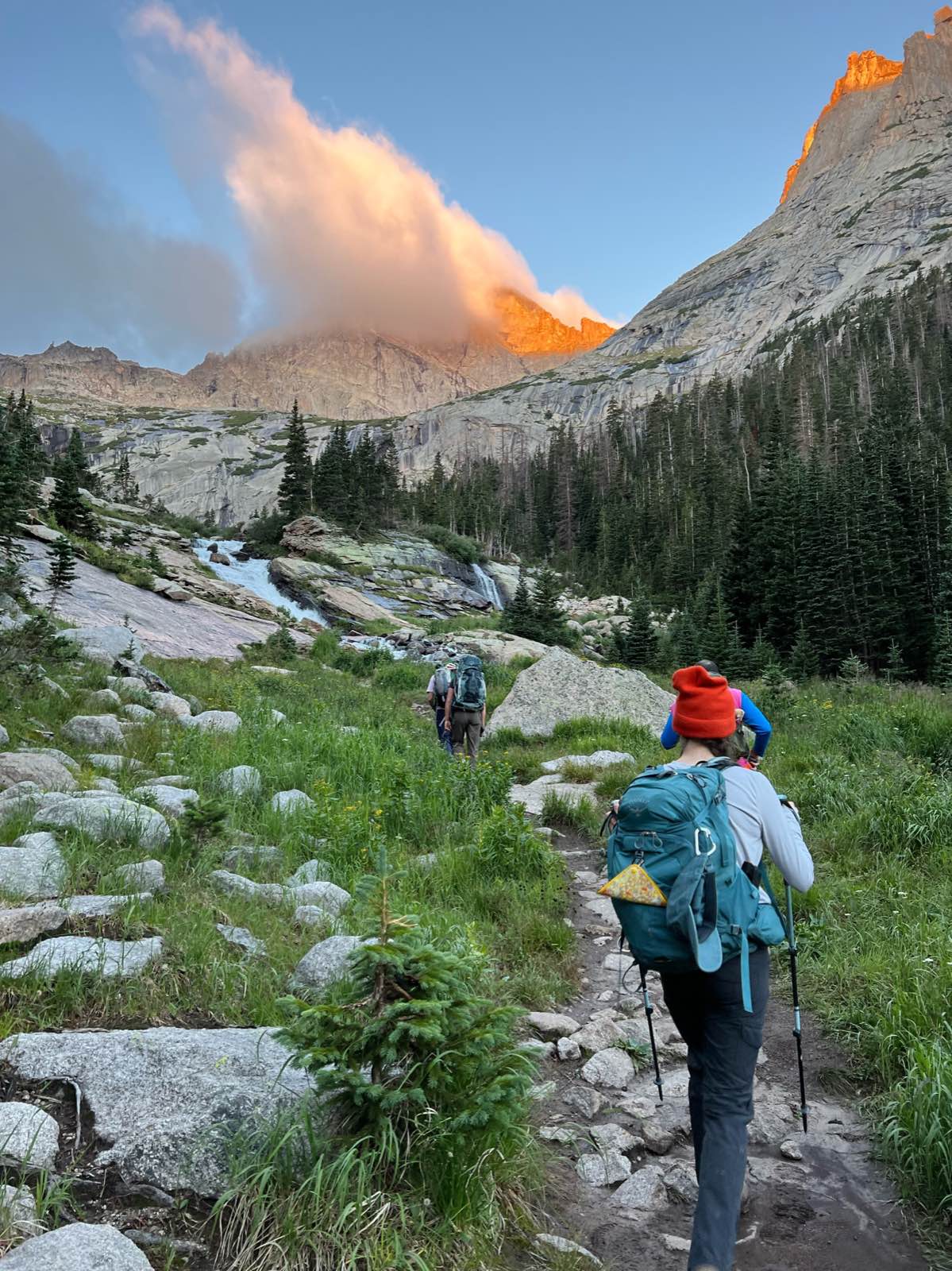
During your climb, it's important to stay focused and be aware of your surroundings. Pay attention to the trail and where you're going, and be aware of any potential hazards such as loose rocks, slippery surfaces, or wildlife. Keep your mind focused on the task at hand and avoid distractions. Remember, your safety is always your top priority.
Celebrate Your Success
You did it! Reaching the summit of a mountain is an achievement that should be celebrated! Take a moment to enjoy the views, snap a few photos, and revel in your success. But remember, you still have to make your way back down the mountain safely, which can sometimes be more challenging than climbing up. Don't let your excitement cloud your judgment and make sure you follow the same precautions you did on the way up. Be aware that there can sometimes be a different route to descend a mountain – make sure you're familiar with both routes.
In conclusion, climbing a mountain can be a challenging and rewarding experience. By choosing your mountain wisely, planning your route, staying focused, and celebrating your success, you can make it to the top safely and successfully. You are capable of so much, EVEN climbing a mountain. Remember, the key to a successful climb is preparation and caution.
If you're looking for an educational guided hiking experience, consider planning a guided trip with Ground Up Adventures, where I can help you plan your climb, provide essential safety equipment, and help you make route decisions based on the conditions and your group. I would love to guide you! 🏔
So what are you waiting for? Go climb your mountain!
*Please note that some links above are affiliate links, which means I earn a small commission on any purchase you make – at no additional cost to you. If you use any of these links, thank you for your support in advance!
See you on the trail! — Shelby
The Day-Hike Checklist
Get your free Day-Hike Checklist and open it right here. Newsletter signup is optional.