
Originally published in April 2025. The policy discussion below reflects that time; use the linked organisations’ action pages for current updates and ways to help.
Cover photo taken on Núu-agha-tuvu-pu (Ute) lands.
Our public lands are more than just beautiful places to visit; they are critical spaces for wildlife, clean water, breathable air, outdoor recreation, and our mental and physical wellbeing. From national parks and forests to BLM lands and wilderness areas, these places belong to all of us. They are part of our heritage and our future, and it's in part of our nature to need to get out in nature.
And while protecting public lands has always been important, in April 2025 it felt more urgent than ever.
Due to ongoing funding challenges, legislative rollbacks, and increasing pressure from development and resource extraction industries, many of our public lands are at the greatest risk they've been in decades. Even places that once felt "safe" are now vulnerable. For many of us, it's something we didn't even know was at risk of being threatened. Without strong public support, advocacy, and action, we could lose access to some of our most treasured wild places…land that was stolen in the first place.
If you've ever hiked a trail, camped under the stars, fished in a pristine river, or simply breathed easier knowing there's wilderness out there, it's time to stand up for it.
The Concerns Behind This April 2025 Article
In late 2024 and early 2025, these were the concerns shaping this article:
- Budget cuts and illegal firings have threatened staffing for national parks, forest service offices, including scientists, rangers, fire mitigation, and maintenance crews.
- Rollbacks to conservation protections are allowing more mining, drilling, and logging on public lands. These are lands that have been protected from these same activities for decades and protecting them from such has been a monumental piece of conservation history (aka, we're going backwards).
- Climate change impacts are straining fragile ecosystems more than ever. These impacts also affect wildlife and water systems in a great way.
- Increased visitation without increased education is leading to more trail erosion, wildlife disturbance, and pollution. These damages can sometimes take decades to recover from, or in some cases never will.
This information may not feel entirely positive. However, the good news? Public pressure works. When we speak up by signing petitions, contacting lawmakers, supporting conservation organizations, and practicing responsible recreation, we can create real change.
How You Can Help
It's true, small actions make a big impact when we all show up and pitch in. Here are a few ways you can support public lands:
- Educate yourself and your community. Share resources, talk about the issues, bring others into the conversation and perhaps most important: don't stop talking about it! We need consistency to resolve these problems.
- Practice Leave No Trace (LNT) guidelines every time you step outside. More on that below!
- Sign petitions and contact representatives. It only takes a few minutes and it can really make a difference in making our voices heard and letting our officials know what we care about! Check out the petitions and resources below to act now. If you want scripts for contacting your state and local reps, 5-Calls has some awesome ones!
- Where possible, support organizations fighting for public lands. Groups like the Wilderness Society, Outdoor Alliance, and Backcountry Hunters and Anglers are doing incredible work! You can also check out NPCA and Earth Justice.
- Vote with conservation in mind, for the love of mother nature. From local ballot measures to national elections, your vote impacts public lands. Keep this in mind especially as we head towards future elections. Check out the Conservation Alliance if you like to vote with your dollars.
Fight the Fight
Here are some specific petitions and action pages you can check out:
- Take Action with the Wilderness Society (multiple petitions)
- Protect Public Lands with Outdoor Alliance
- Advocate for Wildlife with the National Wildlife Federation Action Fund
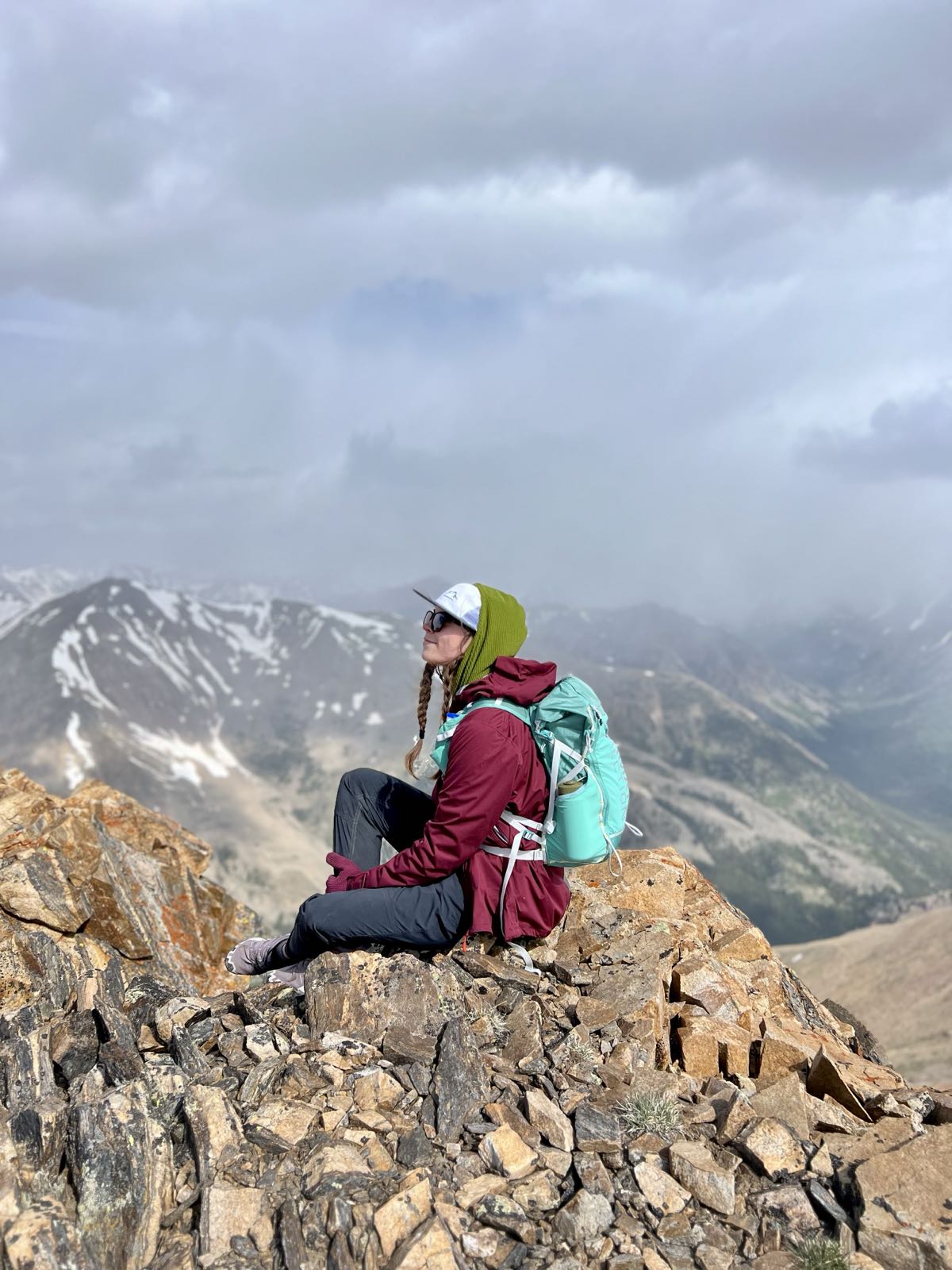
Wearing: Salomon Trail runners | Rab Kinetic Jacket | REI Trailmade Pants | Outdoor Research Hat | UD Pack
A Quick Refresher on Leave No Trace Principles
This one's important.
One of the easiest things we can all do to make a difference is follow the Leave No Trace principles. It's important to keep in mind that these are not suggestions, rather are critical habits we need to have if we want to protect the places we love.
Here's a quick breakdown:
- 1.Plan Ahead and Prepare. Know the weather, terrain, regulations before you go. More knowledge means less impact and being better prepared.
- 2.Travel and Camp on Durable Surfaces. Stick to established trails and campsites to avoid damaging sensitive ecosystems. Listen to signs when they state areas of restoration.
- 3.Dispose of Waste Properly. Pack it in, pack it out. Yes, even your food scraps, empty packages, waste, and toilet paper.
- 4.Leave What You Find. This one is important so read carefully: Flowers, historical artifacts, even rocks, (yes rocks, more on that in a sec) belong where you found them. Why rocks? Because even rocks contain microecosystems that when picked up and moved, can destroy tiny plants, lichen, insect habitats, and entire miniature worlds that took years or even decades to establish.
- 5.Minimize Campfire Impacts. Use a camp stove instead of a campfire when possible, and especially when fire danger prohibits campfires from being started. Never start a fire in an unestablished spot unless it's for emergency or survival purposes as fires create scars that last for decades. Be aware of how much water is needed to put the fire out (more water needed in dry areas) and be sure it's cool to the touch before moving on.
- 6.Respect Wildlife. Give wildlife space, and do NOT feed them. This is critical for not only their health but their instincts and survival. Make sure you know how much space to give the wildlife you may encounter (and do research ahead of time if needed), as well as how to manage encounters if they happen.
- 7.Be Considerate of Other Visitors. Keep noise levels down, yield to others on trails, and be a good neighbor/adventurer.
There's even a (free) mini online course you can take to dig into Leave No Trace guidelines and learn how you can be the best outdoor recreator you can be. Practicing Leave No Trace isn't about perfection; it's about mindfulness and responsibility. Every small choice we make adds up to a big difference over time, especially collectively.
Other Ways You Can Help
A few other simple ways you can make a big impact are:
- Carry a trash bag in your pack and pick up any litter you see along the trail. ALWAYS aim to leave a place better than you found it.
- Volunteer your time at local clean-up events, trail maintenance days, or conservation fundraisers.
- Support local conservation groups with donations or by spreading the word about their work.
- Educate others by modeling responsible recreation, and encouraging friends and family to do the same. Actions speak greater than words, and typically when you start they follow.
Final Thoughts
If you're someone who finds peace, excitement, connection, or joy in the great outdoors, you owe it to nature, yourself (and to future generations) to fight for these places. And if you don't care to do it for mother nature, do it for yourself.
Let's make sure the wild stays wild.
Let's make sure the trails & campgrounds stay open.
Let's make sure our lands and rivers stay clean.
It starts with learning and communication.
Looking to take it a step further and feel confident and prepared on your next backpacking adventure? Let's go on a hike together and you can learn everything you need to know to feel self-reliant and capable in the outdoors, year round. Contact Ground Up Adventures
*Please note that some links above are affiliate links, which means I earn a small commission on any purchase you make – at no additional cost to you. If you use any of these links, thank you for your support in advance!
See you on the trail! — Shelby
The Day-Hike Checklist
Get your free Day-Hike Checklist and open it right here. Newsletter signup is optional.