
When it comes to backpacking in cold weather, being adequately prepared is non-negotiable. The right clothing and gear can mean the difference between a fun and memorable adventure and a challenging excursion. This guide is designed to equip you with the knowledge you need to make informed choices about your cold weather backpacking attire, ensuring you stay warm, safe, and comfortable throughout your cold, and maybe even snowy journey. By following these guidelines, you're setting yourself up for success in the world of cold weather backpacking.
In this blog, I will discuss different items and layering techniques to help you have a successful cold weather adventure. Please note that these tips and methods work well for me, but you may need to adjust them for your needs and specific trip.
Understanding the Importance of Layering
Proper Layering Is Essential
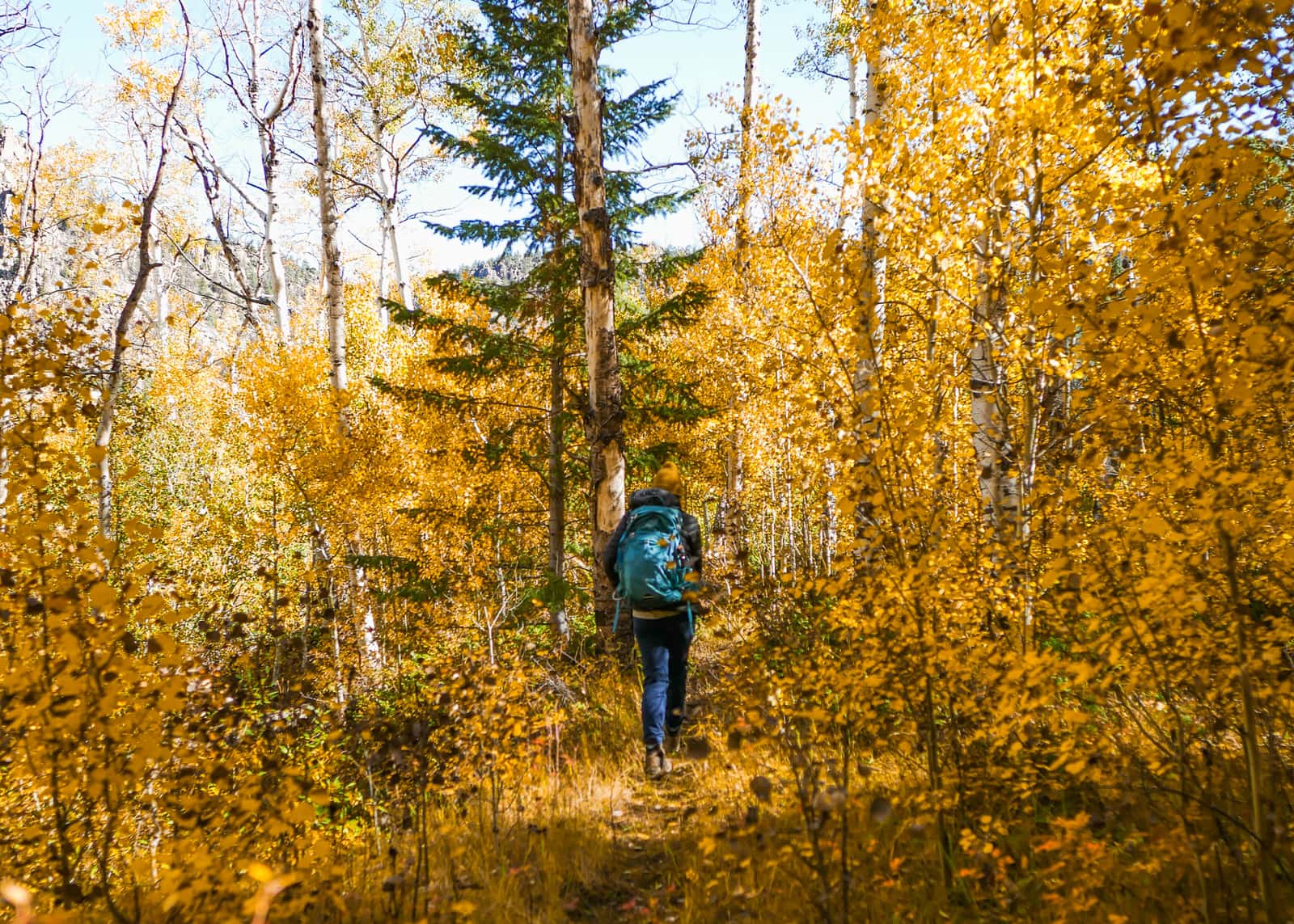
Layering is the cornerstone of staying warm in cold climates and environments, and it involves wearing multiple layers of clothing to create a "system" that can be adjusted based on the weather and your activity level. In this system, each layer has a specific function and they all work together to keep you comfortable and safe. These layers include:
- Base layer: This layer sits directly on your skin and should be moisture wicking to keep you cool and dry. Look for materials such as merino wool or synthetic fabrics, and avoid cotton at all costs since it retains moisture, takes a long time to dry, and holds no insulative value.
- Mid-layer: This layer sits on top of your base layer, and helps retain your body heat. Some insulative mid-layers, such as thicker fleeces, can even help block out wind. Fleeces are a great option, but they don't breathe as well as other choices like down puffy jackets, for example. Choose an option that works best for the activity level of your adventure.
- Outer layer: This layer is also known as the shell layer, and protects you against wind, rain, snow, and anything else Mother Nature throws at you. Gore-Tex or other waterproof and breathable fabrics are ideal for this essential layer.
Choosing the Right Materials
The materials you choose for your backpacking trip apparel play a critical role in keeping you warm and dry. Here are some materials to look for:
- Merino Wool: Known for its warmth even when wet, breathability, and odor-resistant properties, merino wool is an excellent choice for base layers. It also comes in different thicknesses or weights which is nice for different purposes, which is measured in GSMs, or grams per square meter. On the lower or thinner end you'll see 60-90 gsm, all the way up to 300 which is closer to a midlayer. I like to sleep in a thicker merino layer when I'm backpacking in cold temps as opposed to when I'm hiking.
- Synthetic fabrics: such as polypropylene are nice because they are quick-drying and moisture-wicking. They're also usually a cheaper option than merino, however not as warm. These are a good option for base and mid layers. They also make synthetic puffy jackets that will keep you warm even when wet.
- Fleece: This is a really popular material for mid layers because it provides great insulation and, as mentioned before, can even help block wind in some instances. It typically does not breathe as well as something like down, which means it will hold in more warmth.
- Down: Offering an excellent warmth-to-weight ratio, down is an ideal insulating layer, however it's important to keep in mind that it loses its insulating properties when it gets wet. If you're someone who sweats easily or lives in a wet climate, you may want to consider a synthetic puffy jacket.
- Gore-Tex: Renowned for its effective waterproof and breathable properties, Gore-Tex is a top choice for an outer layer, such as a rain jacket or shell. There are other types of waterproof materials as well, similar to Gore-Tex.
Essential Clothing Items for Cold Weather Backpacking
Here's a list of essential clothing items to pack for your cold weather backpacking trip:
- Base Layer: Thermals or long underwear (tops and bottoms). My go-tos are a Smartwool base layer top and a Kari Traa merino wool top.
- Mid-Layer: Fleece or down jacket, insulated pants if needed. I like an Outdoor Research fleece jacket, a Patagonia quarter-zip fleece, and Obermeyer fleece-lined pants.
- Outer Layer: Waterproof and breathable jacket, add pants if needed. I reach for a Patagonia Torrentshell waterproof jacket and REI waterproof rain pants.
- Hat: A beanie or balaclava to retain heat from your head. Sometimes, it can be helpful to still wear a baseball cap if it's windy or really sunny. My picks are an Outdoor Research beanie, a Burton Lynx hood, and a Parks Project hat.
- Gloves: Insulated or waterproof gloves are ideal. I like bringing 2-3 pairs depending on how snowy and long my adventure is — Outdoor Research Trail Mix gloves, Flylow leather gloves, and Burton Gore-Tex mittens.
- Socks: Wool or synthetic options are your best bet. Be sure to bring at least one extra pair so you have a dry set just in case. I like Wigwam merino wool hiking socks and Darn Tough boot socks.
- Hiking Boots: If you're a fan of trail runners, you may want to make the switch to insulated, waterproof boots for the colder months. If making that switch seems dreadful, check out a waterproof hiking shoe with Vibram soles or good traction. My picks are La Sportiva GTX waterproof boots and HOKA Mid GTX waterproof shoes/boots.
- Gaiters: Keep these in your pack on snowy days or just in case to keep snow out of your boots! I like Black Diamond GTX snow gaiters and Kahtoola lightweight GTX snow gaiters.
Extra Clothing Items to Consider
Depending on the conditions, you might want to pack additional clothing items:
- Extra insulation – A second pair of gloves and an extra down jacket can provide additional warmth during breaks or in case of emergency.
- Layering for Extremities – Hand warmers, toe warmers, and even thermal insoles for your boots can provide extra warmth for your fingers and toes.
- Neck Gaiter – An additional layer to protect your neck and face from the cold and wind. This is also nice to cover your face with if harsh weather comes in.
- Base layer set to Sleep in – A clean, dry set of base layers to change into before sleeping will help ensure a warm and comfortable night's rest. I personally prefer to have a slightly thicker base layer set to keep me extra cozy all night.
Tips for Packing & Wearing Your Cold Weather Backpacking Attire
Check out these tips to make sure you make the most out of your backpacking clothing on your epic adventure:
- Avoid overdressing – I like to tell my clients to "Be Bold, Start Cold". You are inevitably going to warm up within the first 15 minutes of your hike, so starting slightly cold prevents sweating or overheating, which can lead to getting too cold later on when your sweat evaporates into cold air.
- Manage your layers – Remove layers as you get warm and work up body heat, and add them as you cool down or stop to rest. Avoiding overheating will keep you most comfortable overall.
- Pack smart and keep items accessible – Ensure your extra layers are easily accessible in your backpack and can be kept dry when not in use. Which leads me to this last tip…
- Stay Dry – Wet clothing typically loses its insulating properties, so it's vital to make sure you change out of wet or damp clothing as soon as possible, ideally before bed if you can. Staying in cold, wet clothing while outdoors in the elements can create risk of hypothermia.
Conclusion
Equipping yourself with the right cold weather backpacking attire is essential for a safe and enjoyable outdoor adventure. By understanding the importance of layering, choosing the right materials for your clothing, and packing all of the necessary items (and nothing more), you can ensure you stay warm, dry, and comfortable, even in the roughest of conditions.
Don't forget to pack extra insulation for emergencies, and follow best practices for wearing and adjusting layers as needed. Pay attention to your body and how you're feeling in these temps. With the right preparation, your cold weather backpacking trip can be a thrilling and rewarding experience that you will never forget.
Happy trails!
Looking to take it a step further and feel confident and prepared on your next cold weather adventure? Let's go on a hike together and you can learn everything you need to know to feel self-reliant and capable in the outdoors, year round. Stay warm! 🏔 Contact Ground Up Adventures
See you on the trail! — Shelby
The Day-Hike Checklist
Get your free Day-Hike Checklist and open it right here. Newsletter signup is optional.