
There's nothing quite like the sense of freedom and self-discovery that comes from solo hiking. Venturing into the great outdoors alone can be a transformative experience, allowing you to connect with nature on a deeper level, truly challenge yourself, and build your inner trust. However, solo hiking also comes with unique risks and responsibilities. In this guide, I'll share essential tips and tricks for a safe and unforgettable solo hiking adventure.
Essential Solo Hiking Tips:
1. Plan Ahead and Prepare
Before setting off on your solo hike, it's crucial to plan and prepare thoroughly. Research your trail, taking note of its difficulty, elevation and distance, and any potential hazards. Check the weather forecast and plan for any contingencies like sudden changes in conditions or unexpected challenges. Be sure to let someone know your intended route and estimated return time, so they can alert authorities if you don't check in as planned.
2. Master Basic Navigation Skills
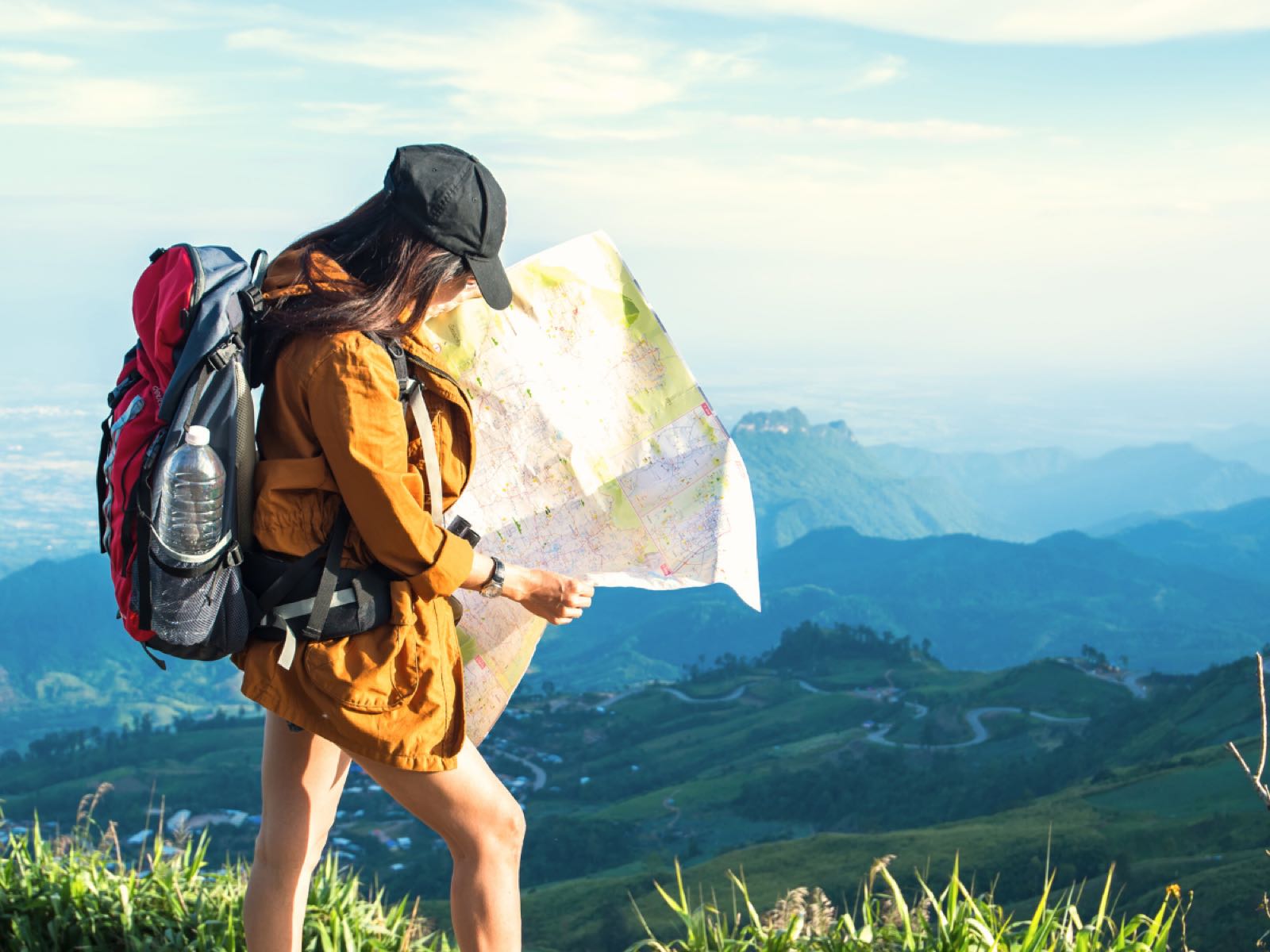
In the age of smartphones and GPS devices, it's easy to become overly reliant on technology for navigation. However, in remote areas or when your devices fail, knowing how to read a map and use a compass could be the difference between a safe return and a dangerous situation. Carry both physical and digital maps, and familiarize yourself with the area before setting off. Brush up on your map-reading and compass skills, and consider taking a navigation course if needed.
3. Pack the Essentials
When you're solo hiking, it's important to be self-sufficient and prepared for any eventuality. Ensure you have enough water, food, first aid supplies, and any necessary emergency gear like a whistle, firestarter, and a headlamp with extra batteries, among the other 10 essential items. Dress appropriately for the terrain and conditions, and pack extra layers to account for changing weather or an unplanned overnight stay. Additionally, make sure your backpack is comfortable and well-organized to allow easy and fast access to your essentials.
4. Know Your Limits
One of the most important aspects of solo hiking is knowing your own limits. Choose a trail and distance that match your fitness level and experience. It's better to start small and work your way up, rather than risk injury or getting stranded in unfamiliar terrain. Check in with yourself, be realistic about your abilities, and don't hesitate to turn back if you feel overwhelmed or fatigued. Remember, there's no shame in cutting a hike short – the trail will always be there for another day.
5. Trust Your Instincts
When you're out on the trails alone, it's crucial to pay attention to how you feel both physically and mentally. If you sense that something isn't right – whether it's an unfamiliar sound, an uneasy feeling, or physical discomfort – trust your gut and take appropriate action. This might mean turning back, changing your route, or finding a safe spot to rest and evaluate your situation. Remember, your safety should always come first.
Embarking on a solo hiking adventure can be an incredibly rewarding and life-changing experience. By following these essential tips, you can confidently conquer the trails on your own, while staying safe and preserving the beauty of nature for others to enjoy.
As you gain experience and build your skills, consider joining a guided hiking trip to further expand your knowledge and push your limits. If you're looking to level up your skills with a pro, consider joining one of our guided hiking trips at Ground Up Adventures here in Buena Vista, Colorado. As an expert guide, I can help you build confidence, create unforgettable memories, and truly master the art of solo hiking.
So, lace up your boots, pack your essentials, and get ready to discover the joys of solo hiking – one step at a time. 🥾
See you on the trail! — Shelby
The Day-Hike Checklist
Get your free Day-Hike Checklist and open it right here. Newsletter signup is optional.