
Backpacking is an incredible experience that everyone should try if they have the opportunity. However, it's no secret that planning your first overnight backpacking trip can be both exhilarating and a bit daunting. But with the right preparation, you'll be ready to hit the trail with confidence. Whether you're seeking solitude in nature or a challenging adventure, here's a comprehensive guide to ensure your first overnight hike is a success.
Planning Your First Overnight Backpacking Trip
Choosing a Destination
When planning your first overnight hike, it's best to choose a destination that's manageable, and ideally, not too far from home. A short overnight hike, ideally 3–6 miles one way, allows you to test your gear, stamina, and skills without being too overwhelming. Look for established trails that are easy to follow, with clear markings and well-maintained campsites. National and state parks often provide excellent beginner-friendly options. Remember, a successful trip is more about enjoying the experience than tackling a grueling trek.
You should also consider the terrain and weather conditions during your planning process. Flat or gently rolling terrain is easier for beginners, and checking the forecast will help you pack appropriately. You can research the general weather for that area around the time of year of your trip, and verify the weather closer to your adventure.
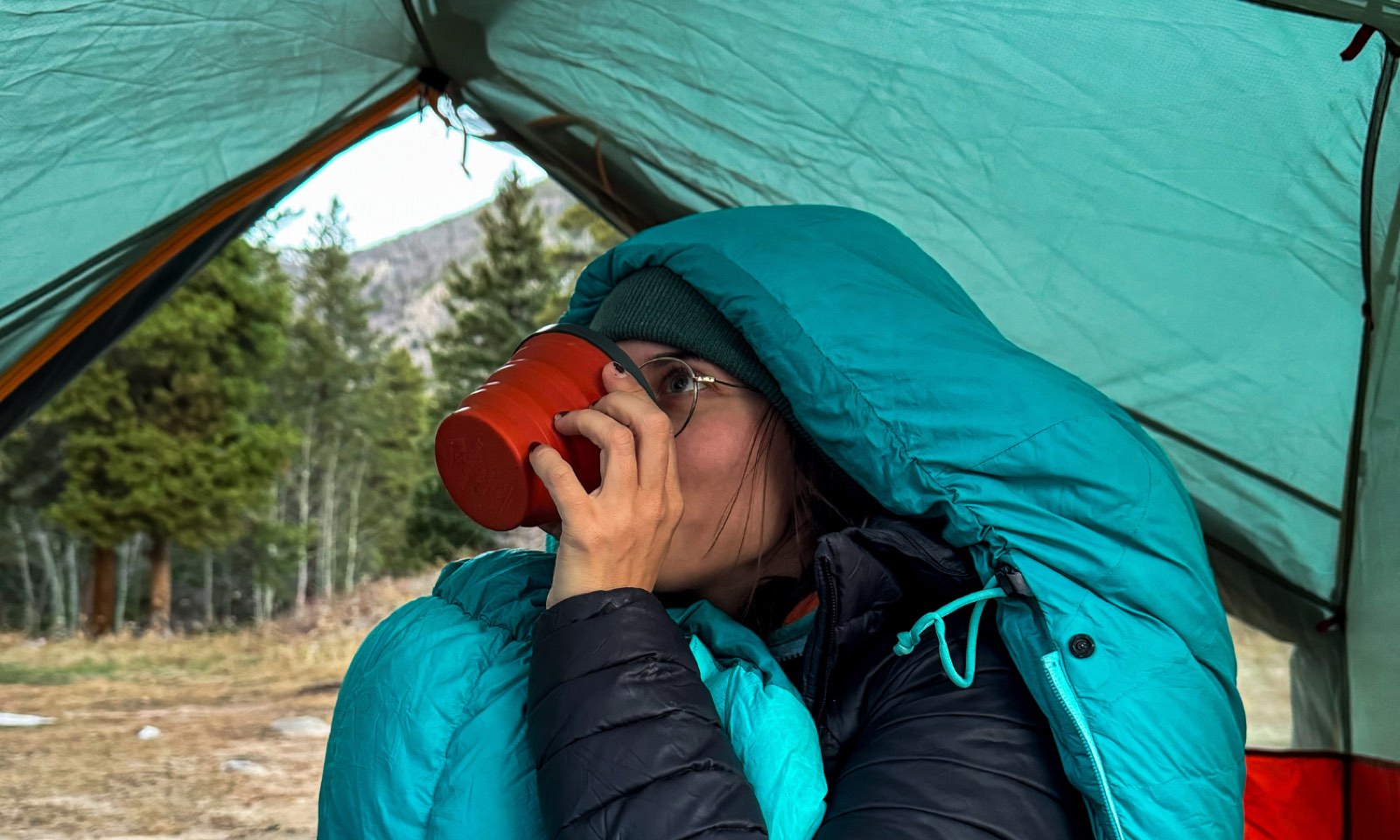
Shown: Sea to Summit IKOS 2 Person Tent, Frontier Collapsible Cup.
Choosing Your Gear
Selecting the right gear is crucial for a successful backpacking trip. As a beginner, you might not want to invest in all the equipment right away, which is smart because backpacking gear isn't cheap, and you want to make sure you have a liking for it before making that investment. Renting or borrowing gear is a great option to start. REI and many other outdoor retailers offer gear rentals, allowing you to try before you buy. Another option would be to book a guided backpacking trip and test out the proper gear, learn the ins and outs of backpacking, and ensure it's something you enjoy.
Please note, you will be best off to start by gathering all your gear before choosing your backpack. This includes your tent, sleeping bag, sleeping pad, cooking gear, food, water filtration system, and clothing. Once you have everything, assess the weight and volume. Your fully loaded backpack, including gear, food, and water, should not exceed 20% of your body weight. This ensures you stay within a safe and comfortable range.
When choosing a backpack, make sure it fits your body well. An ill-fitting backpack can lead to discomfort and injury. Visit a store with knowledgeable staff who can help you get fitted properly. Try on several options, with some weight inside, to find the best fit.
Watch: Mistakes I've Made Backpacking
Packing Your Gear
Efficient packing is an art that can make your hike that much more enjoyable. Pack your backpack with the heaviest items close to your back and centered in the pack. This will help maintain your center of gravity, which will help with your balance and reduce strain on your shoulders. You can even use compression sacks to minimize the space your sleeping bag and clothing take up.
Divide your gear into categories: essentials (map, compass, first aid kit), sleeping gear, cooking equipment, clothing, and food. Pack items you'll need during the day, like snacks, a water filter, rain jacket, and rain cover in easily accessible pockets.
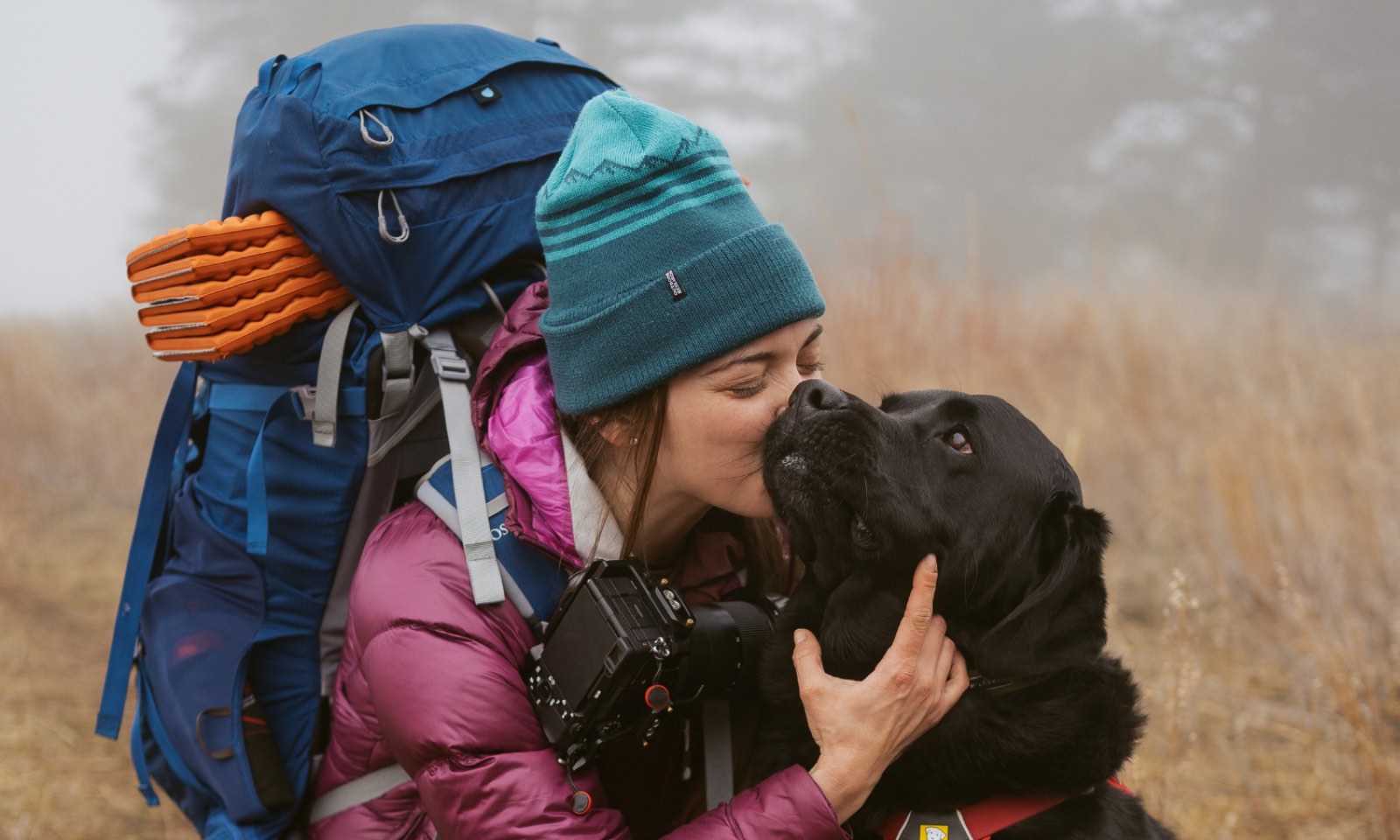
Wearing: Osprey Ariel Pack (current model options: Ariel 55 — women's / Ariel 65 — women's), Stio Hometown Down Hooded Jacket, Outdoor Research Beanie.
Current shopping options: Browse current Outdoor Research beanies.
Food and Water
Proper nutrition and hydration are key to maintaining your energy levels on the trail. Try to plan for calorie-dense, lightweight meals and snacks that are easy to prepare. Dehydrated meals, energy bars, nuts, and dried fruits are great choices, however be mindful to choose foods you enjoy and will want to eat when you're out there. In addition, if you eat foods you are used to eating, your stomach will likely do better. Be sure to always carry extra food in case of emergencies.
Water is heavy, and will perhaps be your heaviest item in your pack, so plan your water supply carefully. Research water sources along your route and carry a reliable water filtration system — read that again, because this one can truly be life or death depending on where you're hiking. A good rule of thumb is to drink about half a liter of water per hour during moderate activity, but definitely adjust your water intake based on weather conditions and exertion levels.
Be Informed
Knowledge is always going to be your best tool when venturing into the backcountry. Before setting out, research your chosen trail thoroughly. You should have a good understanding of the trail's difficulty level, elevation changes, and water sources. Check the regulations specific to the area, and make sure you apply for a permit if needed. National and state parks often require permits for overnight stays, so make sure you secure these well in advance.
Additionally, please familiarize yourself with Leave No Trace principles. These guidelines help minimize your impact on the environment, ensuring that the natural beauty you get to enjoy will remain unspoiled for future adventurers. To shorten it: pack out all of your trash, stay on designated trails, and respect wildlife and other hikers.
Safety First
Safety should always be a top priority. Share your itinerary with a friend or family and check in with them before and after your hike. Carry a map, compass, and a fully charged GPS device or phone with offline maps. A satellite communication device or personal locator beacon (PLB) can be a lifesaver in remote areas. Pack a well-stocked first aid kit and know how to use it — learn basic first aid skills, including how to treat blisters, cuts, and sprains. Understanding how to recognize and respond to certain illnesses like hypothermia and heat-related illnesses is also crucial.
Free resources: download my hiking itinerary template. A first aid kit is also part of the gear I use.
Current shopping options: Browse current outdoor first-aid kits and kit supplies. Compare kit contents with your trip and group’s needs.
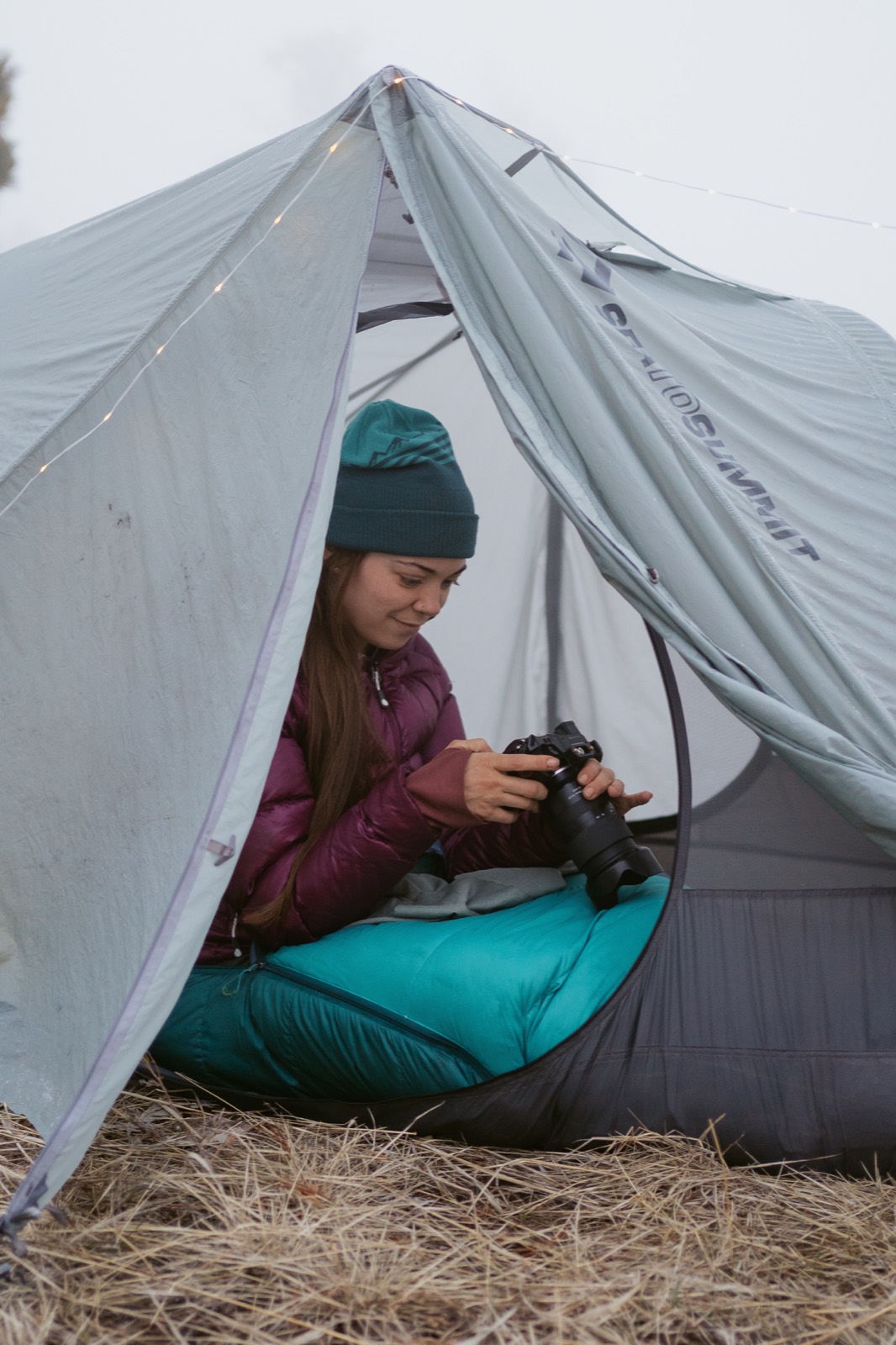
Planning your first overnight hike is a rewarding challenge that can open up a world of outdoor adventure. You can set yourself up for success by doing things like choosing a manageable destination, being well-informed, selecting the right gear, and prioritizing safety, to have an enjoyable trip. Remember, the goal is to immerse yourself in nature, enjoy the journey, and come back with a story or two to tell 🙂
May your trails be happy and filled with discovery!
Looking to take it a step further and feel confident and prepared on your next backpacking adventure? Let's go on a hike together and you can learn everything you need to know to feel self-reliant and capable in the outdoors, year round. Contact Ground Up Adventures.
Please note that some links above are affiliate links, which means I earn a small commission on any purchase you make — at no additional cost to you. If you use any of these links, thank you for your support in advance!
See you on the trail! — Shelby
The Day-Hike Checklist
Get your free Day-Hike Checklist and open it right here. Newsletter signup is optional.